


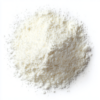
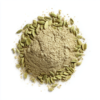

How is matcha produced?
Matcha is produced from tea leaves cultivated under special conditions. The bushes are partially shaded before harvest to increase chlorophyll content and certain bioactive compounds. After harvest, the leaves are steamed, dried, and ground into a fine powder using traditional stone mills or high-precision industrial mills.
Types of matcha:
Three varieties of matcha are available:
They differ in leaf quality, flavor profile, and technological application.
Properties of matcha:
Matcha is valued primarily for its high content of natural bioactive compounds. Green tea leaves contain catechins, polyphenols, chlorophyll, and amino acids, which give the product its characteristic functional properties.
Matcha contains L-theanine, an amino acid naturally occurring in tea leaves, which is responsible for the characteristic umami taste and affects the perception of stimulation. Combined with natural caffeine, it may support improved concentration and maintenance of stable energy levels.
Matcha is also a source of vitamin C, the content of which in some batches may be approximately 150–200 mg per 100 g of product. Additionally, it contains chlorophyll and numerous antioxidants present in green tea leaves.
Therefore, matcha is often used in functional products and dietary supplements, as well as in beverages and foods with enhanced nutritional value.
Types of matcha available:
Japanese matcha
Matcha produced in Japan is considered one of the highest quality varieties of powdered green tea. Tea leaves are cultivated in shaded plantations, then steamed and ground into a fine powder.
It is characterized by an intensely green color, distinct aroma, and balanced taste. Japanese matcha is often used in both beverages and the food industry.
Chinese matcha
Matcha produced in China is typically used in industrial and food service products. Its taste is more pronounced and slightly astringent, making it well-suited for desserts, baked goods, or milk beverages.
Thanks to its intense flavor, Chinese matcha pairs well with other ingredients and maintains a distinct tea profile even in complex formulations.
Japanese ceremonial matcha
Ceremonial matcha is the highest quality variety of matcha intended primarily for traditional tea beverage preparation. It is produced from the youngest leaves of the first harvest.
It is characterized by:
- very intense green color,
- delicate, creamy taste,
- minimal bitterness,
- distinct umami notes.
Ceremonial matcha is used primarily in traditional tea ceremonies and high-quality tea beverages.
Applications of matcha:
Matcha finds wide application in many sectors of the food and supplement industry. Thanks to its intense color and characteristic taste, it is readily used as an ingredient in:
- functional beverages and teas,
- matcha lattes and milk beverages,
- desserts and confectionery products,
- ice cream and sorbets,
- bars and protein products,
- dietary supplements,
- superfood blends.
Culinary matcha is particularly well-suited for industrial applications, as its distinct flavor is maintained even in formulations containing sugar, milk, or flour.
Frequently asked questions:
Does matcha contain caffeine?
Yes, matcha naturally contains caffeine, as it is made from green tea leaves. Depending on quality and production method, its content may be approximately 2.8–3.2% in dry matter.
In practice, this means that beverages prepared with matcha may have a stimulating effect. However, due to the presence of L-theanine, the effect of caffeine is more gradual and often described as milder than in the case of coffee.
For this reason, matcha is readily used in:
- functional beverages,
- energy products,
- supplements supporting concentration.
How does matcha taste?
The taste of matcha is characteristic and distinctly different from classic green tea. Depending on product quality, it may be:
- delicate and slightly sweet,
- vegetal and fresh,
- slightly bitter or astringent.
Higher quality matcha, particularly ceremonial, is characterized by a more balanced flavor profile with umami notes and mild bitterness. On the other hand, culinary or industrial matcha typically has more pronounced bitterness and astringency, making it pair well with sugar, milk, or other ingredients in food products.
Does matcha have a stimulating effect?
Matcha is a natural source of caffeine, so it may affect energy levels and concentration. Thanks to the presence of amino acids, including L-theanine, the stimulating effect tends to be more stable than in the case of beverages containing only caffeine. This is precisely why matcha is often used as an ingredient in energy drinks, functional beverages, and products supporting concentration and mental activity.
Is matcha healthy?
Matcha is considered a product of high nutritional value, as it contains numerous natural compounds present in green tea leaves. Among them are polyphenols and antioxidants, which may contribute to protecting cells against oxidative stress. Additionally, matcha provides fiber, protein, and minerals. In the analyzed specification, protein content may be approximately 29.9 g per 100 g of product, and fiber approximately 36.4 g per 100 g.
The product description is provided for reference purposes only. The parameters of the raw material may differ from those presented depending on the variety, intended use, method of production, season and other factors. For detailed information, please contact our sales representative.
The product description does not constitute an offer within the meaning of Article 66 § 1 of the Polish Civil Code.