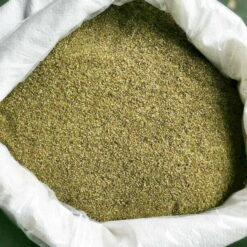




Coconut milk powder originates from Sri Lanka and is produced from organic coconut milk and organic tapioca maltodextrin, which stabilizes the powder structure and facilitates its dissolution in water. The ingredient has the form of a white or cream-colored fine powder with a characteristic coconut aroma and delicate, creamy taste.
Properties and characteristics of coconut milk powder
Coconut milk powder contains a high amount of natural coconut fats, which are responsible for its creamy consistency and intense flavor. The fat content in the product is approximately 55–60%. The fat gives it a rich flavor profile and makes it well-suited as an ingredient in food products requiring a creamy texture.
Moreover, the fats present in coconut milk consist mainly of medium-chain saturated fatty acids (MCT). They are easily absorbed by the body and can serve as a quick source of energy in plant-based diets, ketogenic diets, and functional products.
The product also provides carbohydrates and a small amount of protein. The energy value is approximately 684 kcal per 100 g of product.
Due to its natural composition, coconut milk powder is a popular ingredient in products intended for individuals following a plant-based diet or avoiding dairy products. It contains no GMO and has not been subjected to irradiation during production.
Applications:
Coconut milk is intended for use in the food industry, particularly in products requiring a creamy consistency and natural coconut aroma.
It can be used in:
- confectionery products and desserts,
- ice cream and ice cream mixes,
- plant-based beverages and smoothies,
- sauces and Asian cuisine dishes (e.g., curry),
- plant-based yogurts,
- bars and functional products,
- instant mixes and convenience products.
Thanks to its powder form, the ingredient is easy to store, transport, and dose. When dissolved in water, it yields coconut milk with a consistency similar to fresh product.
The product description is provided for reference purposes only. The parameters of the raw material may differ from those presented depending on the variety, intended use, method of production, season and other factors. For detailed information, please contact our sales representative.
The product description does not constitute an offer within the meaning of Article 66 § 1 of the Polish Civil Code.