


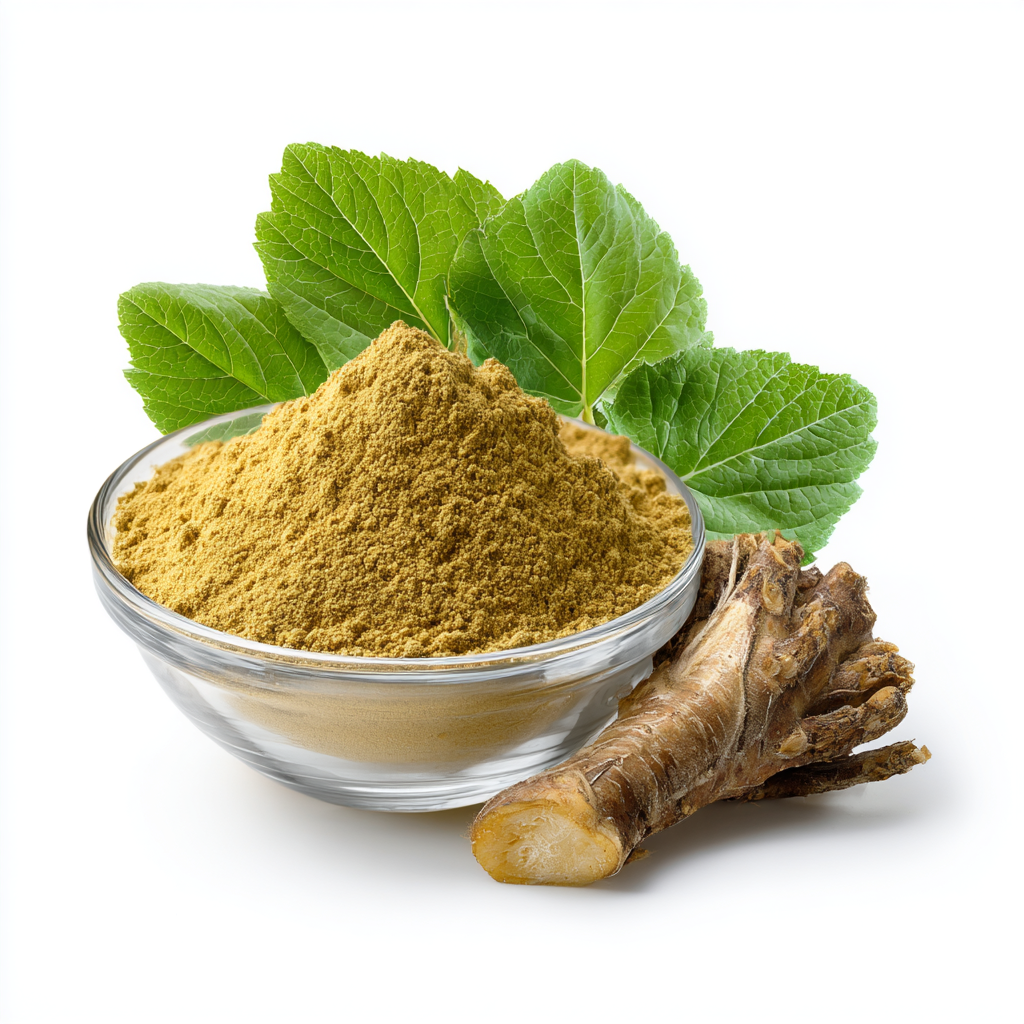
Effects of Butterbur Extract:
Butterbur extract contains natural phytochemical compounds, primarily sesquiterpene esters known as petasins, isopetasins, and derivatives, which are considered the main bioactive components of the raw material and influence its physiological properties:
Anti-inflammatory Properties
Components of butterbur extract are described in research as substances with potential activity in modulating inflammatory processes — including through their influence on enzymes involved in the biosynthesis of inflammatory mediators such as leukotrienes and prostaglandins. This mechanism is one of the proposed explanations for the raw material’s action in physiological models.
Spasmolytic and Relaxant Activity
In vitro studies and traditional references indicate that extracts from butterbur rhizome and leaves may exhibit relaxant and spasmolytic effects on the smooth muscles of the respiratory and digestive systems, which is associated with the presence of petasins and their influence on cellular functions.
Potential Effects in Alleviating Allergy Symptoms
Some standardized butterbur leaf extracts have been clinically evaluated for alleviating symptoms of allergic rhinitis (seasonal allergies), demonstrating efficacy in controlled studies comparable to antihistamines in reducing certain symptoms.
Application
In scientific and herbal literature, butterbur extract has been used or analyzed in the context of:
- Analgesic and tension-relieving preparations – butterbur extract has been analyzed for reducing the frequency of migraine episodes or tension-type headaches, which was associated with the activity of petasins on calcium channels and inflammatory mediators.
- Products supporting allergic reactions / seasonal allergies – standardized leaf extracts have been studied for alleviating symptoms of allergic rhinitis, such as nasal congestion or sneezing, without the sedation typical of many antihistamines.
- Formulations targeting the respiratory system and irritation relief – traditional herbal knowledge describes the use of butterbur in respiratory ailments, such as asthma and persistent cough; modern scientific sources confirm interest in this plant regarding the effectiveness of extracts in respiratory-related models, although clinical data are limited.
- Potential support for gastrointestinal function – traditional use of the raw material also indicates an influence on the regulation of intestinal motility and the digestive system, including relaxant and choleretic effects, which may be considered in the context of herbal preparations for the digestive system (depending on the final product form).