


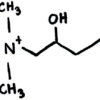

Sodium hyaluronate is a component in many cosmetic and medical products, due to its unique water retention properties, which provide the skin with hydration and firmness. Its application is wide-ranging, and understanding different forms of sodium hyaluronate will help in selecting the best product for specific needs.
Forms of sodium hyaluronate available in our offer:
LMW (Low Molecular Weight):
- LMW1: 8K Da–20K Da
- LMW2: 20K Da–50K Da
- LMW3: 50K Da–100K Da
These molecules are smaller, making it easier for them to penetrate deeper layers of the skin, offering intensive hydration and stimulation of the body’s own hyaluronic acid production.
CLMW (Cross-linked Low Molecular Weight):
- 100K~500K Da
Creates stronger and more durable molecular networks that retain moisture in the skin longer, providing long-lasting hydrating effects.
CMMW (Medium Molecular Weight):
- 0.5M~0.8M Da
Perfect balance between penetration and long-lasting hydration, supporting skin elasticity and its ability to regenerate.
MMW (Medium to High Molecular Weight):
- 0.8M~1.5M Da
Concentrated action on the skin surface, creating a protective barrier against harmful external factors.
CHMW (Cross-linked High Molecular Weight):
- 1.5M~1.8M Da
Provides exceptional viscoelastic properties, which is particularly valuable in orthopedic and ophthalmic products.
HMW (High Molecular Weight):
- 1.8M~3.0M Da
Offers the greatest protection and strongest film-forming properties, ideal for applications on very dry and damaged skin.
Applications of sodium hyaluronate:
- Cosmetics:
- As an additive to creams, balms, serums and masks, sodium hyaluronate intensively hydrates, smooths and improves overall skin condition.
- Also used in anti-aging products, it supports the reduction of fine lines and wrinkles.
- Aesthetic medicine and orthopedics:
- As a component of preparations alleviating joint ailments.
- Due to its viscoelastic properties, it is also used in eye operations and in the treatment of rheumatic diseases.
- Pharmaceutical applications:
- In eye preparations and products supporting wound healing.
Sodium hyaluronate, due to its versatile action, is not only an effective cosmetic ingredient, but also a valuable compound in medicine. Products with different molecular weights allow for matching the effect to specific needs, providing both immediate hydration and long-lasting anti-aging effects.
See also: Hyaluronic acid solution (Hyaluronic gel) – Available concentrations: 1%, 1.5%, 3%, 5%, 7%.
Food grade sodium hyaluronate (Food Grade MMW)
Food grade sodium hyaluronate has a medium molecular weight of 0.8–1.5 MDa. It is derived from fermentation of Streptococcus zooepidemicus. It is a salt of hyaluronic acid.
It is characterized by excellent water solubility, odorless and very high solution clarity. It contains a minimum of 95% pure sodium hyaluronate and at least 46% glucuronic acid, which are key biologically active components. It has high thermal stability, contains no GMO, has no animal origin and is compliant with requirements for vegans and vegetarians.
Food grade hyaluronic acid (in sodium salt form) is used in dietary supplements, nutraceutical products and health foods. After consumption, it can increase the level of hyaluronic acid in the body, beneficially affecting skin hydration, elasticity and softness. It also acts protectively on joints, delays aging processes, supports atherosclerosis prevention and may exhibit neuroprotective properties. Oral administration also supports circulatory system functions and may prevent degenerative brain changes.
The product is distinguished by rapid dissolution, ability to control bulk density and high microbiological purity. It is recommended for use in capsules, powders and tablets as an active hydrating ingredient supporting tissue regeneration.
The product description is provided for reference purposes only. The parameters of the raw material may differ from those presented depending on the variety, intended use, method of production, season and other factors. For detailed information, please contact our sales representative.
The product description does not constitute an offer within the meaning of Article 66 § 1 of the Polish Civil Code.