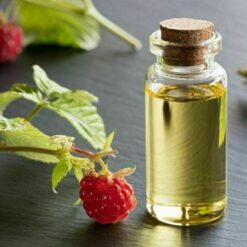



Properties and Benefits of Black Currant Seed Oil
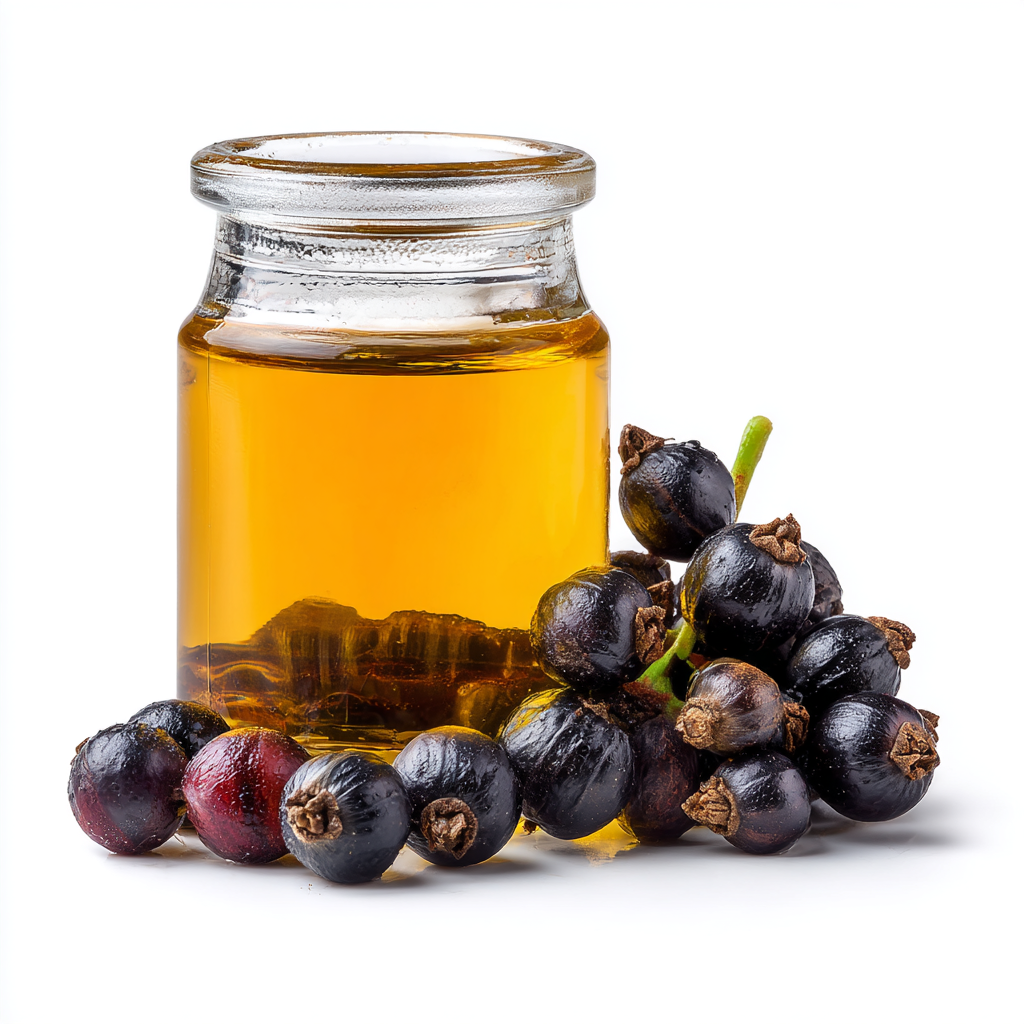
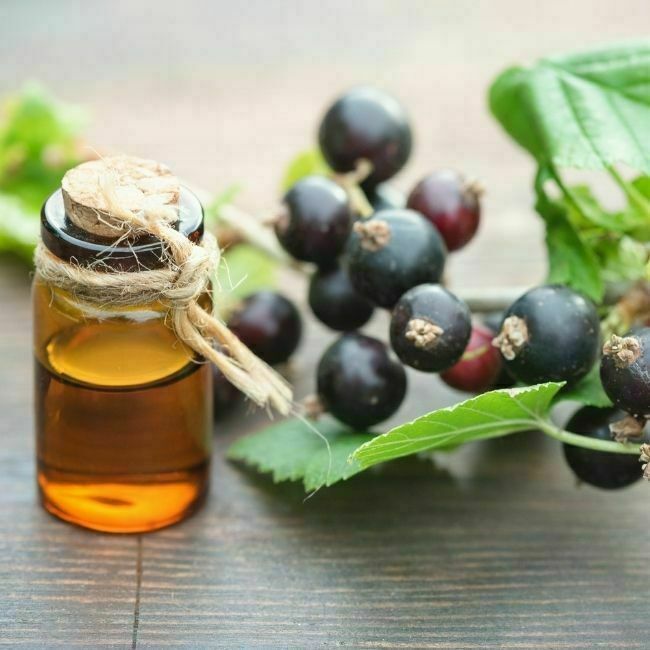
Black currant seed oil features an exceptionally beneficial fatty acid composition. Approximately 73% consists of polyunsaturated fatty acids, including significant amounts of linoleic acid (omega-6) and alpha-linolenic acid (omega-3), as well as gamma-linolenic acid (GLA) characteristic of black currant. This profile makes the ingredient valuable for caring for dry, mature, and sensitive skin.
The unsaturated fatty acids contained in the oil support epidermal lipid barrier regeneration processes, improve elasticity and hydrolipidic balance of the skin. Regular use in cosmetic formulations helps reduce water loss from the stratum corneum and supports repair processes.
In the presence of natural tocopherols and phytosterols, the oil acts as an antioxidant, stabilizing lipid structures in preparations and protecting them from oxidative degradation. For this reason, it constitutes a valuable component of nourishing emulsions, creams, and protective serums.
Application of Black Currant Oil in Cosmetics
Black currant seed oil finds application in care and regenerating formulations:
- preparations for dry, sensitive, and mature skin,
- anti-aging emulsions and serums,
- cosmetics for caring for irritated skin or after treatments,
- products for caring for dry and brittle hair,
- protective balms and massage products.
The oil can be used both in the oil phase of emulsions and as a base component in oil-type products. It combines well with other plant oils with similar unsaturation profiles, enabling the creation of balanced lipid compositions.
Fatty acid profile
| FATTY ACID | BOND | STANDARD (%) |
| Palmitic acid | C16:0 | 4-6 |
| Stearic acid | C18:0 | 0.5-4 |
| Oleic acid | C18:1 | 10-20 |
| Linolenic acid | C18:2 | 41-55 |
| Linoleic acid | C18:3 | 11-16 |
| Arachidic acid | C20:0 | 0.2-0.7 |
The product description is provided for reference purposes only. The parameters of the raw material may differ from those presented depending on the variety, intended use, method of production, season and other factors. For detailed information, please contact our sales representative.
The product description does not constitute an offer within the meaning of Article 66 § 1 of the Polish Civil Code.