


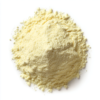
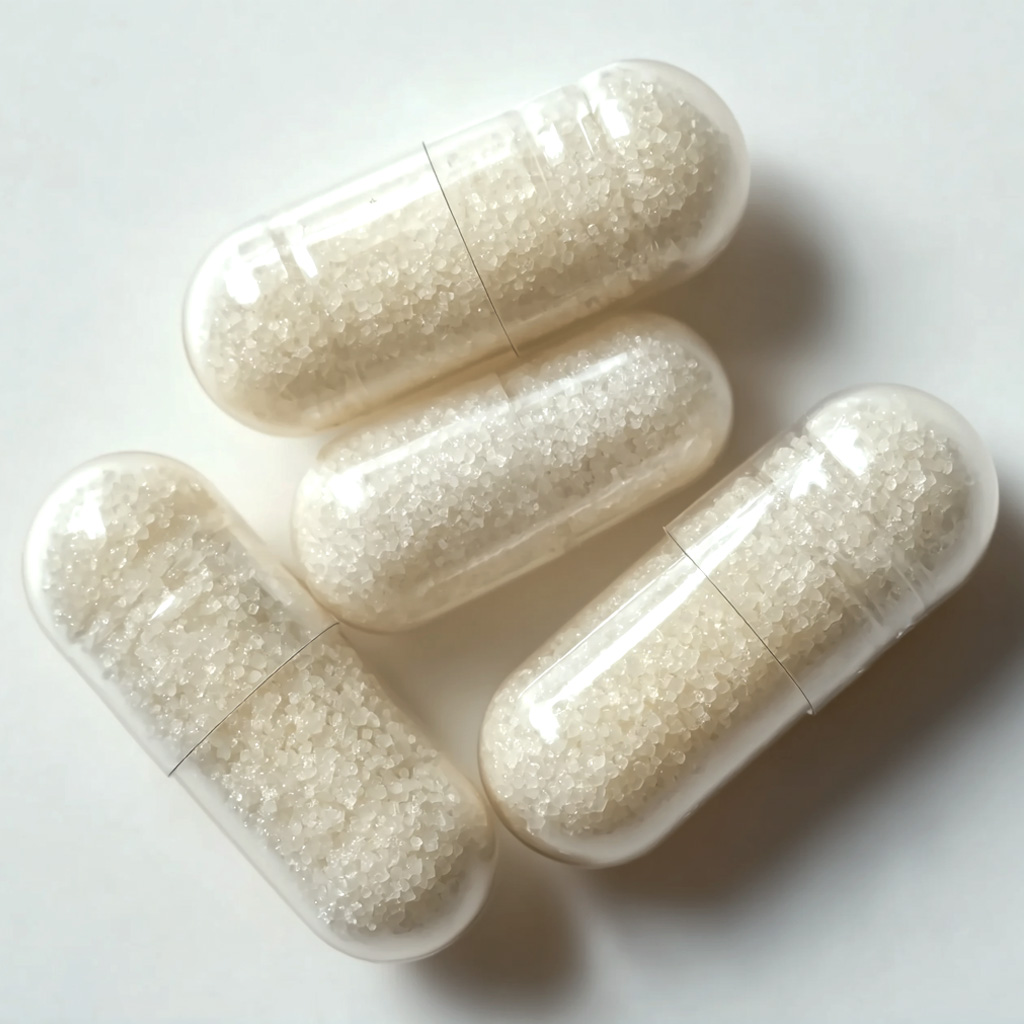
Sodium butyrate is naturally present in the large intestine as a product of dietary fiber fermentation by the intestinal microbiota. As a functional ingredient, it is used in dietary supplements and products intended to support the digestive system.
The offered product is sodium butyrate in encapsulated form, which means that the active substance has been protected with a lipid layer. This allows for controlled release in the lower sections of the digestive tract and reduces the characteristic odor of the ingredient.
Properties and action of sodium butyrate:
Sodium butyrate is used in formulations targeted at digestive tract function. As a short-chain fatty acid, it constitutes a natural energy source for intestinal epithelial cells, which contributes to maintaining the proper structure and function of the intestinal barrier.
This compound participates in regulating the intestinal environment through its effect on microflora and pH within the digestive tract. It may contribute to maintaining the microbiological balance of the intestines and promote the development of beneficial bacteria. It also plays an important role in processes related to intestinal epithelium regeneration and maintaining intestinal barrier integrity.
The use of encapsulated form allows for increased technological efficiency – the ingredient does not undergo rapid degradation in the upper digestive tract, so it can act in the small and large intestine. Additionally, encapsulation reduces the intense odor characteristic of free butyric acid.
Applications of sodium butyrate:
- gut health dietary supplements,
- preparations supporting intestinal function,
- functional food,
- products intended for individuals caring for intestinal microbiota,
- veterinary and feed applications.
Due to its functionality, this ingredient is often used in products combining prebiotic and probiotic components.