


Saffron Production Process
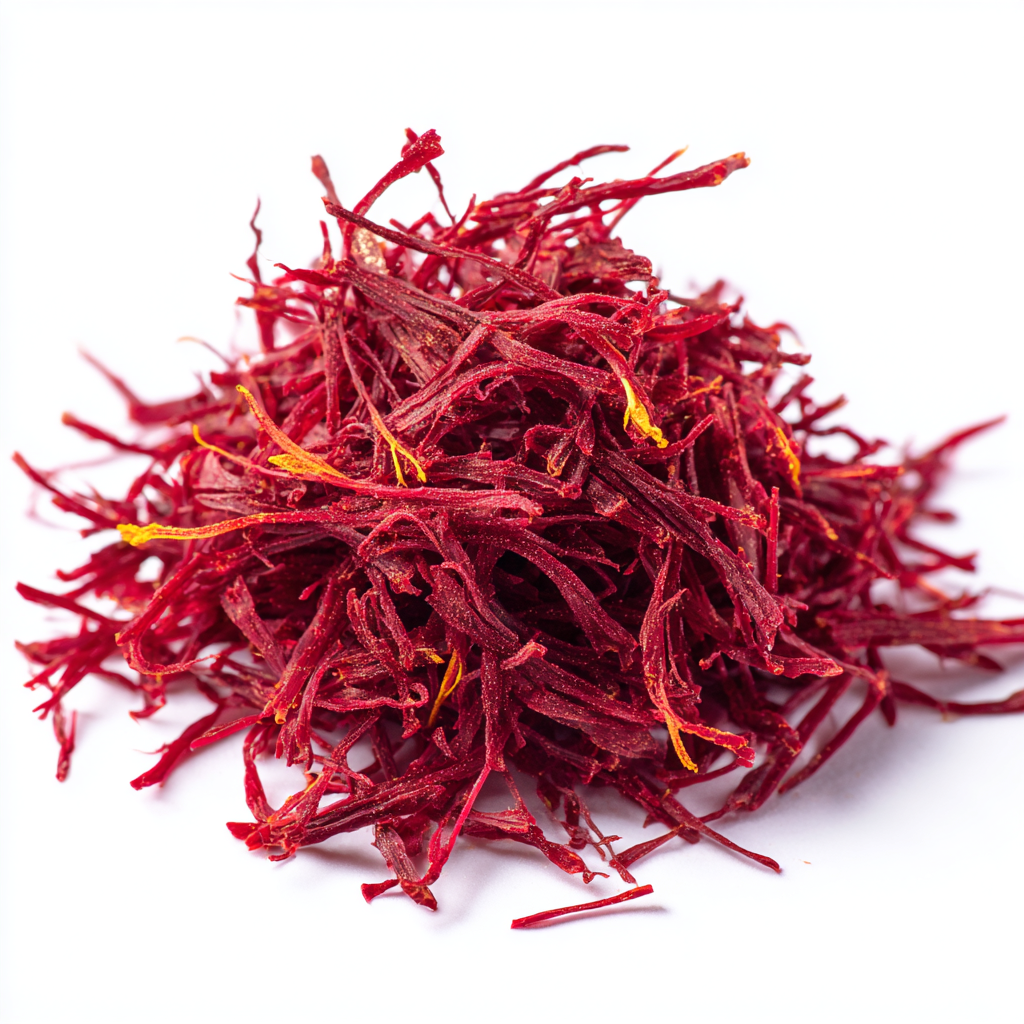
Saffron is obtained exclusively from the stigmas of cultivated crocus flowers, which are its only usable part. The plant blooms for a very short period – only a few weeks a year, and the lifespan of a single flower does not exceed three days. Harvesting is done manually, usually at dawn on the first day of flowering, which is crucial for preserving the quality and profile of active compounds.
The saffron production process is exceptionally labor-intensive – approximately 75,000 flowers must be manually processed to obtain about 500 g of finished raw material. This limited availability, manual harvesting method, and precise drying are what determine the high market value of this raw material.
Properties and Active Ingredients
Saffron is characterized by a rich composition of bioactive substances that determine its sensory and functional properties. Key compounds include:
- crocin – responsible for the intense color,
- picrocrocin – imparting the characteristic taste,
- safranal – an aromatic compound formed during drying.
According to analytical data, the raw material we offer stands out with a very high coloring strength (crocin) and a high content of the aromatic fraction (safranal), classifying it in the highest quality category according to ISO 3632.
Additionally, saffron is a natural source of micronutrients such as calcium, iron, zinc, manganese, copper, selenium, and phosphorus, as well as B vitamins, vitamin A, and ascorbic acid.
Applications of Saffron
Saffron in the form of stigmas is used in various market segments:
Food and Supplement Applications:
- ingredient in functional foods,
- additives for dietary supplements,
- raw material for the extraction of bioactive compounds.
Cosmetic Applications:
- skincare preparations with antioxidant properties,
- brightening cosmetics and skin tone improvers,
- premium formulas inspired by traditional plant raw materials.
The product description is provided for reference purposes only. The parameters of the raw material may differ from those presented depending on the variety, intended use, method of production, season and other factors. For detailed information, please contact our sales representative.
The product description does not constitute an offer within the meaning of Article 66 § 1 of the Polish Civil Code.