


Africa is home to some of the most nourishing natural ingredients used in haircare today. From deeply moisturizing oils to mineral-rich clays and revitalizing plant extracts, African beauty traditions have long relied on nature to maintain soft, strong, and healthy hair. These ingredients offer gentle yet effective care that supports hydration, strength, and overall vitality. Modern cosmetic formulators continue to embrace them because they align with the global preference for clean beauty, transparency, and naturally sourced ingredients. As many say in Swahili, nywele ni taji (hair is a crown), and African ingredients help nurture this crown with care and authenticity. Whether used in shampoos, conditioners, or masks, they bring visible improvements and restore harmony between the hair and scalp.
African haircare practices focus on nourishment, moisture retention, and scalp comfort. Because African climates range from hot coastal regions to dry savannahs, the ingredients that thrived there developed unique compositions filled with essential fatty acids, vitamins, antioxidants, and minerals. These nutrients are exactly what modern haircare needs, making African ingredients valuable in both traditional and contemporary formulations. Oils like marula and moringa, clays like ghassoul, and extracts such as hibiscus and aloe vera continue to shape routines around the world. Their ability to hydrate, strengthen, soothe, and protect makes them suitable for many hair types, especially curly, coiled, dry, or damaged hair that benefits from gentle natural care.
African Oils – Nourishing the Hair from Root to Tip
African plant oils have long been used to maintain soft, moisturized, and manageable hair. Their nutrient-dense profiles allow them to penetrate the hair shaft, seal moisture, and support scalp health. Many contain omega fatty acids and antioxidants that help reduce dryness, minimize breakage, and restore shine. Oils also support elasticity, helping the hair withstand heat, styling, and environmental factors. In modern formulations, they appear in conditioners, masks, leave-ins, and serums.
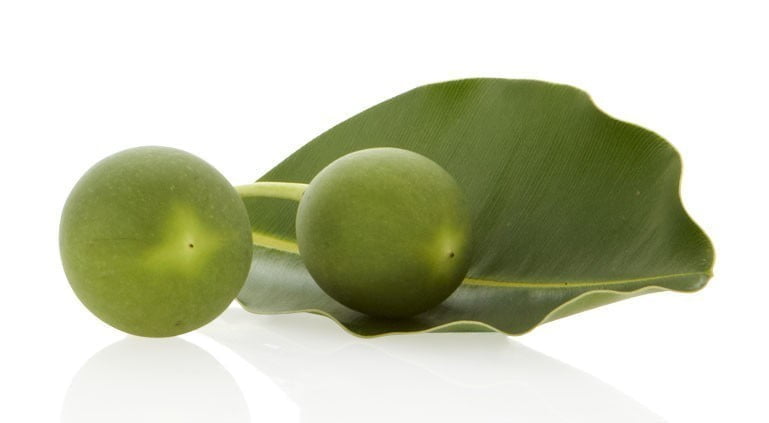
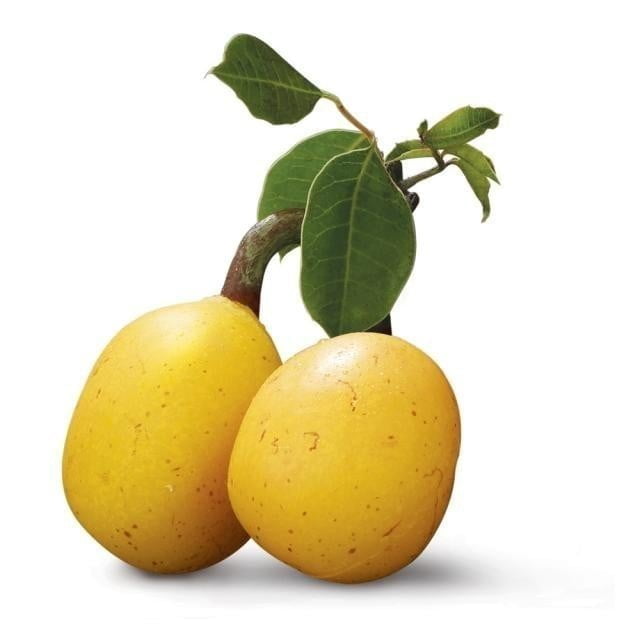
One of the most valued oils is marula oil, known for its lightweight feel and silky texture. Extracted from the kernels of the marula fruit, it contains oleic acid, antioxidants, and vitamin C, all of which hydrate the hair without weighing it down. Marula oil softens dry strands, enhances shine, and helps maintain moisture, making it ideal for fine or medium hair. It also supports heat protection and helps reduce dryness from sun exposure. Many haircare brands use marula oil in smoothing serums and conditioners to leave the hair glossy and well-nourished.
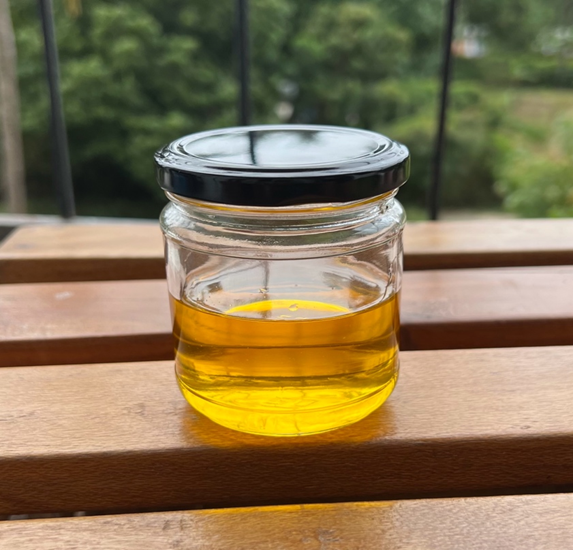
Marula oil
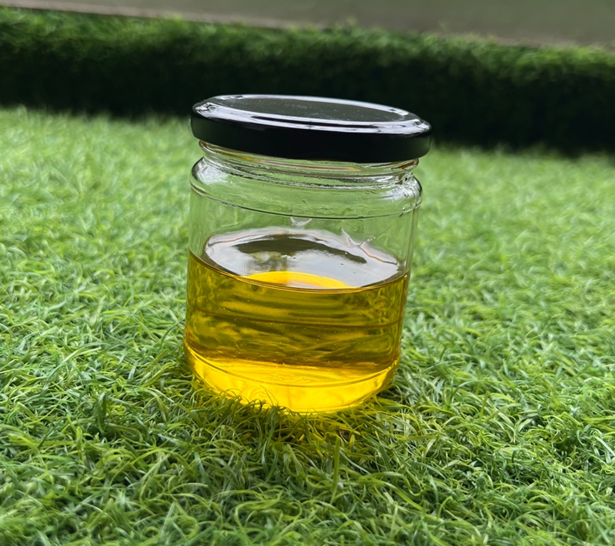
Marula oil, cold pressed, is a rich source of essential fatty acids Sometimes people call it the elixir of youth, and compare it to argan oil. However, Marula oil is much lighter and has a more subtle scent. It contains tocopherols which exhibit antioxidant properties.
Another essential ingredient is moringa oil, which comes from the seeds of the mlonge tree. Moringa oil is rich in vitamins A, C, and E, making it a powerful ingredient for both scalp and hair. These vitamins help improve softness, strengthen the hair, and protect strands from environmental damage. Moringa oil supports a balanced scalp by reducing dryness while helping the hair retain moisture. Because it absorbs well, it is excellent for natural, relaxed, or chemically treated hair. It is often added to strengthening shampoos and restorative conditioners that aim to revive weak or dull hair.
Baobab oil is another treasured African ingredient. Extracted from the seeds of the baobab fruit, it contains omega fatty acids that help soften and condition the hair. Baobab oil enhances elasticity and reduces breakage, making it suitable for dry, curly, or coily hair that needs consistent moisture. It helps restore bounce and softness and is especially effective in deep conditioning routines. In modern cosmetics, it appears in rich hair butters, intense hydration masks, and leave-in treatments that support long-term hair health. Its gentle feel makes it suitable for sensitive scalps and hair that reacts easily to harsh products.
Tamanu oil is widely used for scalp nourishment and strand repair. Known for its calming and restorative properties, tamanu oil helps soothe irritation, support growth, and restore damaged strands. Its consistency is thicker than other oils, making it ideal for targeted scalp treatments or blending with lighter oils like marula or moringa. Tamanu oil appears in reconstructive masks, scalp oils, and strengthening creams designed for brittle or over-processed hair. Many people appreciate its ability to bring comfort to the scalp while helping the hair regain strength and vitality.
African Clays – Gentle Purification and Scalp Balance
African clays have long been used to cleanse and refresh both the scalp and hair. Unlike harsh shampoos that strip natural oils, clays provide a gentle detox that removes buildup while keeping moisture intact. They are rich in minerals that support a balanced scalp environment, essential for maintaining healthy growth. Clays help lift dirt, excess oil, and impurities, allowing the hair to feel clean, breathing, and soft.
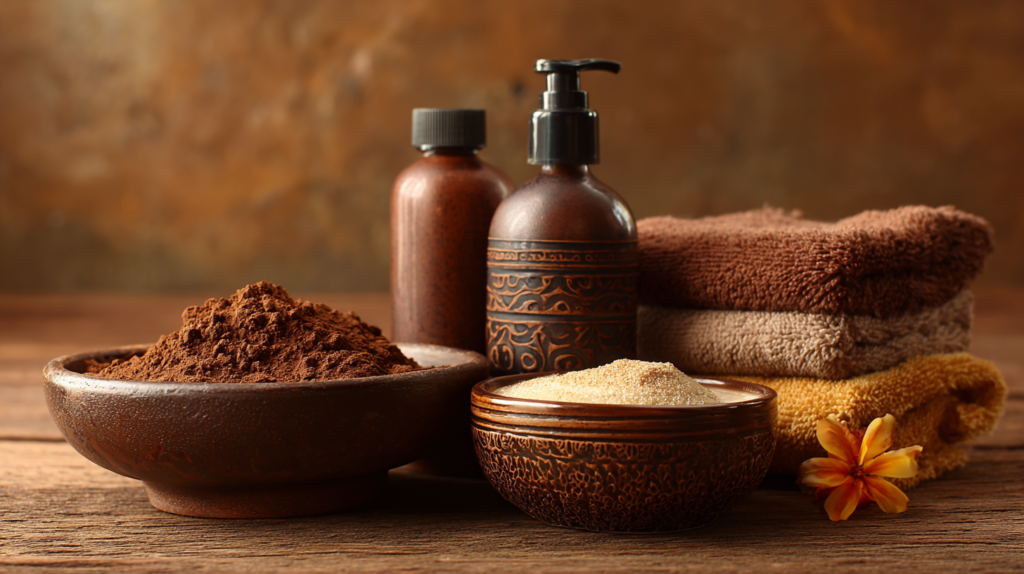
One of the most popular clays is ghassoul clay, widely used in North African beauty routines. Ghassoul has a smooth texture that allows it to cleanse the scalp without stripping it. It absorbs impurities while softening the hair, leaving it refreshed and easy to manage. Ghassoul clay is especially helpful for sensitive scalps or people who experience buildup from oils and styling products. Many brands incorporate ghassoul in cleansing masks, clarifying shampoos, and scalp treatments because it purifies gently while supporting hydration. This clay keeps the hair soft and manageable rather than dry, which is often the case with strong detergents.
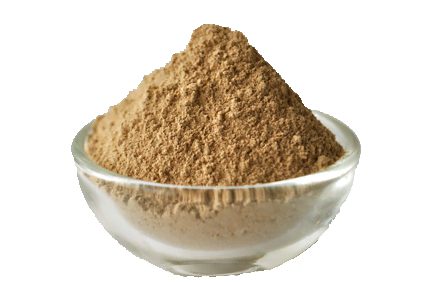
Rhassoul clay (Ghassoul)
We are a distributor of natural rhassoul clay, a 100% ecological product with excellent cleansing properties. Originally used to clean the skin, hair, and face. Currently, it is widely used in spa salons around the world.
Botanical Extracts – Strength, Shine, and Vitality
Botanical extracts play a major role in supporting hair health and improving appearance. Many African plant extracts offer vitamins, minerals, and natural compounds that strengthen the hair, boost shine, and soothe the scalp. They bring life back to dull or weak hair and are commonly used in conditioners, masks, shampoos, and leave-ins.
Hibiscus extract is widely celebrated for its beauty-enhancing properties. Rich in vitamin C, amino acids, and natural plant acids, hibiscus helps strengthen strands and promote shine. It can support thickness and improve elasticity, reducing breakage. Traditionally, hibiscus is used to create rinses that brighten and refresh the hair. Modern brands now add hibiscus extract to conditioners and softening creams to revive dry or tired hair. Its natural red hue and floral scent add sensory appeal, making haircare both effective and enjoyable.
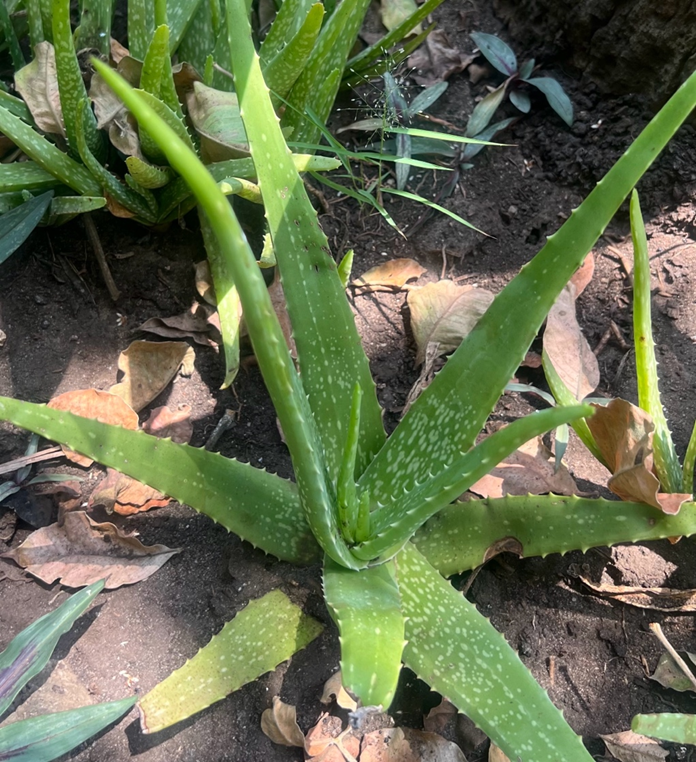
Aloe vera is prized for its soothing and hydrating qualities. It helps calm irritation on the scalp, reduce dryness, and moisturize the hair. Aloe contains vitamins, amino acids, and natural sugars that leave the hair soft and smooth. It supports healthier growth by creating a comfortable environment for the scalp. Many formulators include aloe in shampoos, conditioners, and leave-in sprays because it hydrates without heaviness and suits a wide range of hair types.
Why African Ingredients Work So Well Together
African ingredients offer a complete approach to haircare because they address hydration, strength, softness, and scalp balance all at once. Oils nourish and protect, clays cleanse and rebalance, and botanical extracts bring vitality and shine. These ingredients complement one another, creating a system that maintains moisture, supports elasticity, and restores softness. Their richness in essential fatty acids, vitamins, minerals, and antioxidants makes them particularly suitable for curly and coily hair that needs consistent moisture and gentle cleansing.
Modern consumers appreciate African ingredients because they deliver visible results without harsh chemicals. The global shift toward clean beauty highlights the value of natural, plant-based solutions. African oils, clays, and extracts fit perfectly into this movement because they bring purity, effectiveness, and a long history of traditional use. Their performance reflects the belief that true beauty begins with asili safi (pure nature), and that healthy hair thrives with gentle care.
Conclusion
African oils, clays, and botanical extracts represent the best of natural haircare, offering deep nourishment, scalp balance, strength, and softness. They form the foundation of traditional African beauty practices and modern formulations that value natural ingredients and long-term hair health. Whether used individually or blended into shampoos, conditioners, and masks, these ingredients provide visible improvements and bring life back to dry or damaged hair. Their versatility and effectiveness make them essential in today’s clean beauty industry. With their influence, haircare routines become more natural, gentle, and connected to Africa’s heritage of wellness and self-care.
References
Vermaak, I., Kamatou, G. P. P., Komane-Mofokeng, B., Viljoen, A. M., & Beckett, K. (2011). African seed oils of commercial importance: Cosmetic applications. South African Journal of Botany, 77(4), 920–933. https://doi.org/10.1016/j.sajb.2011.07.003
Lin, T. K., Zhong, L., & Santiago, J. L. (2017). Anti-inflammatory and skin barrier repair effects of topical plant oils. International Journal of Molecular Sciences, 19(1), 70. https://doi.org/10.3390/ijms19010070
Maqbool, Z., et al. (2023). Bioactive compounds from plant oils and their applications in cosmetic and haircare formulations. Molecules, 28(4), 1636. https://doi.org/10.3390/molecules28041636
Boukandoul, S., & Casal, S. (2018). Cosmetic and dermatological properties of clays: Focus on ghassoul clay. Applied Clay Science, 160, 203–210. https://doi.org/10.1016/j.clay.2018.03.025
Surjushe, A., Vasani, R., & Saple, D. G. (2008). Aloe vera: A short review. Indian Journal of Dermatology, 53(4), 163–166. https://doi.org/10.4103/0019-5154.44785
Ali, A., et al. (2012). Hibiscus sabdariffa: Phytochemistry and pharmacological effects relevant to hair and skin care. Journal of Pharmacognosy and Phytochemistry, 1(5), 73–79.