



Recently updated on: January 12th, 2026
Stretch marks form when the skin stretches faster than its natural collagen and elastin fibers can adjust. They commonly appear during pregnancy, rapid growth, weight changes, or hormonal shifts. While they do not pose any health risk, many people seek ways to soften their appearance and help the skin feel firm, smooth, and healthy again. In African beauty traditions, oils and butters have long been used to nourish the skin, maintain comfort, and support its natural elasticity. These ingredients are celebrated for their richness, purity, and ability to care for the skin in a gentle and respectful way. As many say in Swahili, ngozi nzurihuanza na utunzaji wa asili (beautiful skin begins with natural care).
Why Are African Oils and Butters Effective for Stretch Mark Care?
African oils and butters contain essential fatty acids, vitamins, antioxidants, and natural compounds that support the skin’s structure and help it stretch without tearing. They moisturize deeply, strengthen the skin barrier, and keep the skin flexible, which is essential when preventing or improving stretch marks. These ingredients also support cell renewal and help soothe areas where the skin has experienced stress. Modern cosmetic formulations rely heavily on shea butter, marula oil, baobab oil, ximenia oil, tamanu oil, and cocoa butter because they offer visible results without harsh chemicals. Below is a detailed look at these powerful African ingredients and how they support smoother, more elastic skin.
How Does Shea Butter Support Skin Elasticity and Moisture?
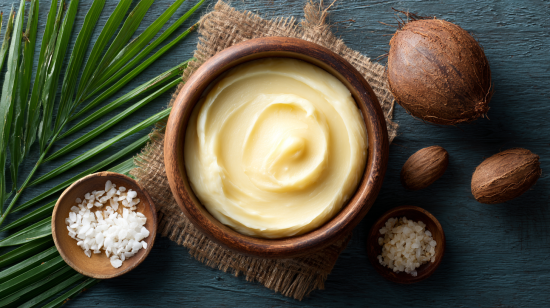
Shea butter, extracted from the nuts of the shea tree, has been used for centuries across West and East Africa for its remarkable moisturizing properties. Its creamy texture melts effortlessly into the skin, delivering long-lasting hydration. Shea butter is rich in fatty acids such as stearic, oleic, and linoleic acids, which help maintain the skin’s softness and protect against dryness. It also contains vitamins A and E, which support skin renewal and help reduce irritation.
This deep nourishment is especially important for stretch mark care because well-moisturized skin stretches more comfortably and is less likely to form new marks. Shea butter improves skin elasticity by strengthening the outer barrier and helping the skin retain moisture for longer periods. With consistent use, the skin becomes smoother, more toned, and more resilient. In modern formulations, shea butter is used in body butters, oils, pregnancy creams, and intensive stretch mark balms because of its ability to soften and protect the skin all day long.
Why Is Marula Oil Popular in Pregnancy Skincare?
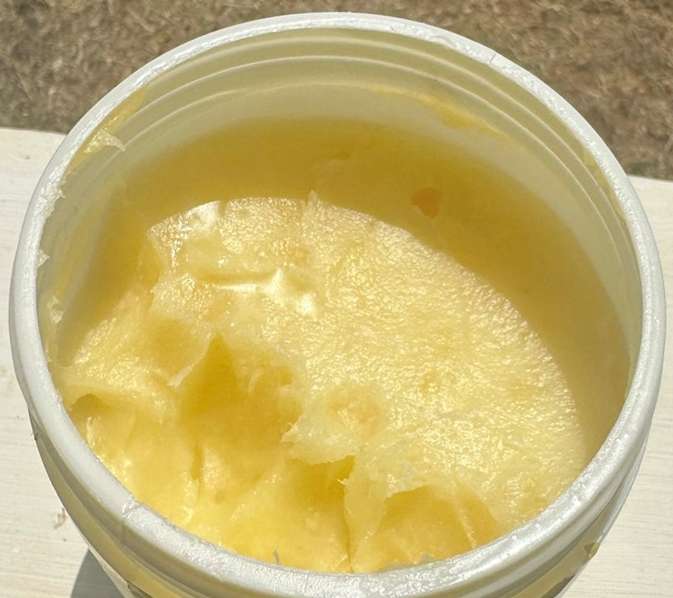
Marula oil is known for its silky, lightweight feel and its ability to nourish the skin without heaviness. Extracted from the kernels of the marula fruit, this oil is naturally rich in oleic acid, antioxidants, and vitamin C. These nutrients help restore the skin’s softness, improve hydration, and support natural repair processes. Marula oil penetrates quickly and comfortably, making it ideal for people who want hydration without a thick or greasy texture.
For stretch marks, marula oil helps maintain elasticity and keeps the skin supple, which is essential for prevention. It also improves the appearance of existing marks by supporting cell turnover and offering antioxidant protection. Marula oil is particularly popular during pregnancy for belly care routines because it soothes tightness and helps maintain comfort as the skin expands. It blends well with shea butter, cocoa butter, and tamanu oil, making it a versatile ingredient in modern stretch mark formulations.
What Nutrients in Baobab Oil Support Skin Elasticity?
Baobab oil comes from the seeds of the baobab fruit, often called the “Tree of Life” due to its exceptional nutritional properties. The oil contains omega 3, 6, and 9 fatty acids, as well as vitamins A, D, E, and F. These nutrients work together to strengthen the skin’s outer layer and support elasticity by improving firmness and moisture retention.
Baobab oil is especially beneficial for skin that feels tight or dry during stretching. It softens rough areas, enhances comfort, and adds flexibility to the skin. This makes it a powerful ingredient for preventing stretch marks and improving the appearance of existing ones. Because of its nourishing profile, baobab oil is commonly included in stretch mark creams, firming treatments, and restorative body oils. It absorbs deeply into the skin, bringing softness and strengthening benefits to areas that need extra care.
Can Ximenia Oil Help Reduce Roughness Around Stretch Marks?
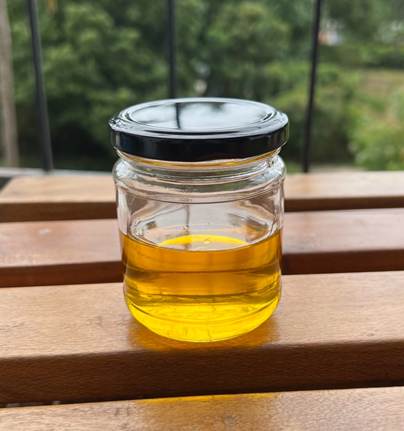
Ximenia oil, derived from the seeds of the ximenia fruit, is a luxurious African oil known for its rich, velvety texture. It contains rare long-chain fatty acids that deeply condition the skin and help strengthen its natural structure. Ximenia oil is excellent for improving texture because it softens dry, rigid skin and enhances overall smoothness.
Stretch marks often develop when the skin becomes overstretched and loses its flexibility. Ximenia oil supports elasticity by keeping the skin soft, pliable, and comfortable. It minimizes roughness and helps the skin remain resilient during periods of rapid stretching. In cosmetic formulations, ximenia oil is used in premium body oils, elasticity-boosting creams, and treatments designed to smooth uneven skin. Its silky finish leaves the skin feeling nourished, strengthened, and noticeably smoother over time.
Is Tamanu Oil Effective for Existing Stretch Marks?
Tamanu oil is a deeply restorative oil traditionally used in East Africa and Madagascar for its healing properties. It contains natural fatty acids and bioactive compounds that support cell renewal and help the skin recover from damage. Tamanu oil has a richer consistency, allowing it to create a soothing, protective layer over the skin.
For stretch mark care, tamanu oil is especially valuable because it promotes regeneration and helps reduce the visibility of marks by supporting skin repair. It also helps relieve dryness and discomfort in areas where the skin has stretched. Many people appreciate tamanu oil for its calming effect on the skin and its ability to restore softness. In modern skincare, tamanu oil appears in repair balms, regenerative creams, and concentrated stretch mark oils intended for targeted treatment.
Why Is Cocoa Butter a Classic Ingredient for Stretch Mark Care?
Cocoa butter is widely associated with stretch mark care because of its ability to soften and protect the skin. Extracted from cocoa beans, it has a rich consistency that melts into the skin and locks in moisture. Cocoa butter contains antioxidants and fatty acids that support collagen production and help maintain the skin’s elasticity.
Its protective qualities help minimize moisture loss, keeping the skin comfortable and pliable even as it stretches. Cocoa butter also helps even out skin tone and improve the appearance of existing stretch marks by softening the surrounding skin. In cosmetics, cocoa butter is used in creamy body butters, firming lotions, belly balms, and hydrating body bars that provide lasting nourishment and a smooth, conditioned feel.
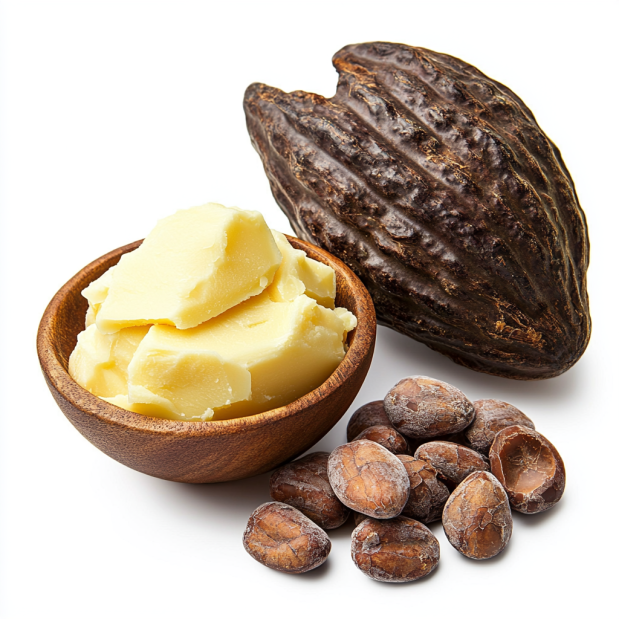
Cocoa butter
Cocoa butter is produced by cold pressing the beans of the cocoa tree (Theobroma cacao). The butter is known for its characteristic sweet scent and light yellow color.
How These Ingredients Work Together
When combined, African oils and butters offer a powerful and balanced approach to stretch mark care. Shea butter provides deep hydration and protection, marula oil delivers lightweight nourishment, baobab and ximenia oils strengthen and soften the skin, tamanu oil supports repair, and cocoa butter enhances elasticity and smoothness. Together, they create a complete system that hydrates, protects, restores, and maintains comfort.
Because these ingredients complement each other, many modern stretch mark formulations include several of them to deliver a multi-layered effect. This combination supports prevention by keeping the skin flexible and reduces the appearance of existing marks through improved texture and hydration. With consistent use, the skin becomes more supple, smooth, and resilient. These ingredients reflect the wisdom of African skincare traditions and the belief that uponyaji wa kweli hutoka kwa asili (true healing comes from nature).
Conclusion
African oils and butters offer some of the most effective natural solutions for stretch mark care because they nourish the skin deeply and support its natural elasticity. Their rich nutrient content, soothing properties, and ability to strengthen the skin barrier make them ideal for both prevention and comfort. Whether used individually or blended into modern creams and body oils, these African ingredients deliver visible care through nature’s own power. By embracing these traditional treasures, modern skincare continues to honor Africa’s legacy of natural beauty and the strength of asili safi (pure nature) in supporting healthy, resilient skin.
References
McDaniel, D., Mazur, C., Wortzman, M. S., Nelson, D. B., & Fabi, S. G. (2017). Human skin responses to pregnancy and the development of striae gravidarum. Journal of Clinical and Aesthetic Dermatology, 10(3), 17–24.
Watson, R. E. B., Parry, E. J., Humphries, J. D., Jones, C. J. P., Polson, D. W., & Kielty, C. M. (1998). Fibrillin microfibrils are reduced in skin exhibiting striae distensae. British Journal of Dermatology, 138(6), 931–937. https://doi.org/10.1046/j.1365-2133.1998.02257.x
Vázquez-Armenta, F. J., Silva-Espinoza, B. A., Cruz-Valenzuela, M. R., González-Aguilar, G. A., & Nazzaro, F. (2017). Antioxidant and anti-inflammatory properties of plant oils and butters used in skin care. Journal of Cosmetic Dermatology, 16(3), 345–354. https://doi.org/10.1111/jocd.12323
Lin, T. K., Zhong, L., & Santiago, J. L. (2017). Anti-inflammatory and skin barrier repair effects of topical plant oils. International Journal of Molecular Sciences, 19(1), 70. https://doi.org/10.3390/ijms19010070
Vermaak, I., Kamatou, G. P. P., Komane-Mofokeng, B., Viljoen, A. M., & Beckett, K. (2011). African seed oils of commercial importance: Cosmetic applications. South African Journal of Botany, 77(4), 920–933. https://doi.org/10.1016/j.sajb.2011.07.003