



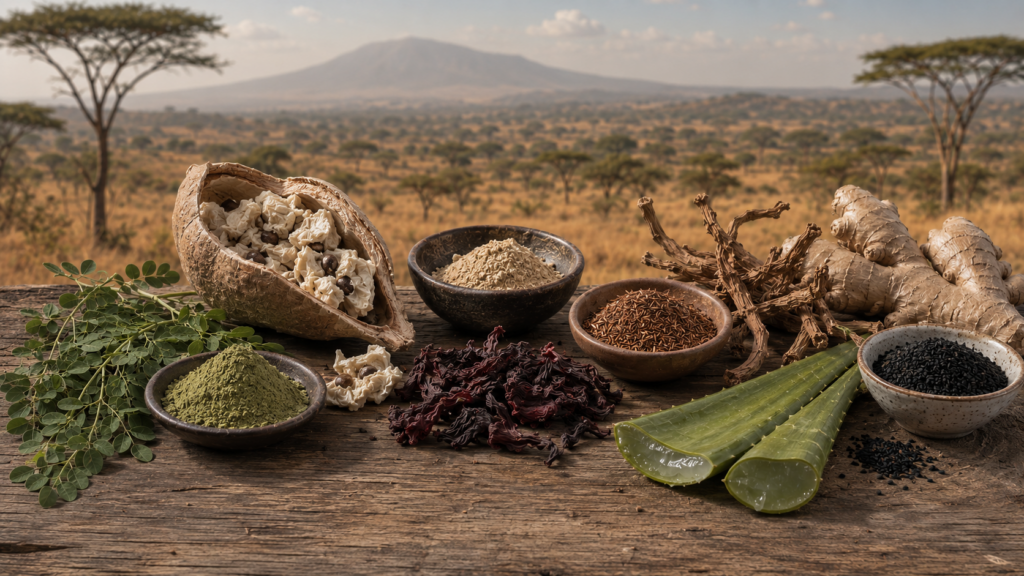
Africa has one of the richest traditions of herbal medicine and plant-based wellness practices in the world. Across the continent, communities have relied on medicinal plants, roots, seeds, oils, and botanical extracts for generations to support health, nourishment, and everyday wellbeing. Long before the modern wellness industry began embracing natural ingredients, African communities were already using nature’s resources in deeply practical and meaningful ways. Today, many of these traditional ingredients are attracting global attention as the nutraceutical, cosmetic, food supplement, and pharmaceutical industries continue to explore plant-based ingredients for modern formulations.
The growing demand for natural wellness products has encouraged manufacturers to explore botanical ingredients with authentic origins and traditional value. Consumers are becoming more conscious about ingredient transparency, sustainability, and gentle formulations, creating stronger interest in medicinal plants that have long histories of traditional use. African botanicals cultivated, sourced, or traditionally used in Africa fit naturally into this movement because they combine cultural heritage, functionality, and natural richness. As many say in Swahili, dawa ya asili haidanganyi (natural remedies do not disappoint), reflecting the trust many communities continue to place in plant-based wellness traditions.
Today, botanical ingredients cultivated, sourced, or traditionally used in Africa are incorporated into herbal supplements, functional beverages, skincare products, nutritional powders, topical formulations, and modern nutraceutical products. Their appeal comes not only from tradition, but also from their natural composition, antioxidant content, and growing scientific interest.
Nutrient-Rich Botanicals from Africa: Moringa, Baobab and Hibiscus
One of the most recognized African wellness ingredients is moringa (Moringa oleifera), often referred to as the “miracle tree” because of its exceptional nutritional profile. Moringa leaves naturally contain vitamins, minerals, amino acids, and antioxidants that support wellness and vitality. The ingredient has become increasingly popular in protein powders, herbal capsules, nutritional blends, and wellness drinks designed to support healthy lifestyles.
Moringa powder is obtained by drying and grinding the leaves rather than by producing a concentrated extract. It is valued for its nutritional composition, clean-label image, and versatility in powdered formulations. In East Africa, moringa is also known by the Swahili name mlonge and is cultivated as a food and botanical raw material.
Moringa oil, extracted from the seeds, is used in cosmetic and topical formulations. It contains fatty acids, particularly oleic acid, as well as tocopherols and other naturally occurring compounds. Its composition and relatively lightweight texture make it suitable for serums, creams, balms, and other skincare formulations.
Baobab (Adansonia digitata) is another treasured African ingredient increasingly used in modern nutraceutical and wellness industries. Often called the “tree of life”, baobab produces fruit naturally rich in vitamin C, fiber, calcium, potassium, and antioxidants. Traditionally consumed across several African regions as a nourishing food source, baobab has now become popular in smoothies, nutritional supplements, wellness beverages, and functional food products.
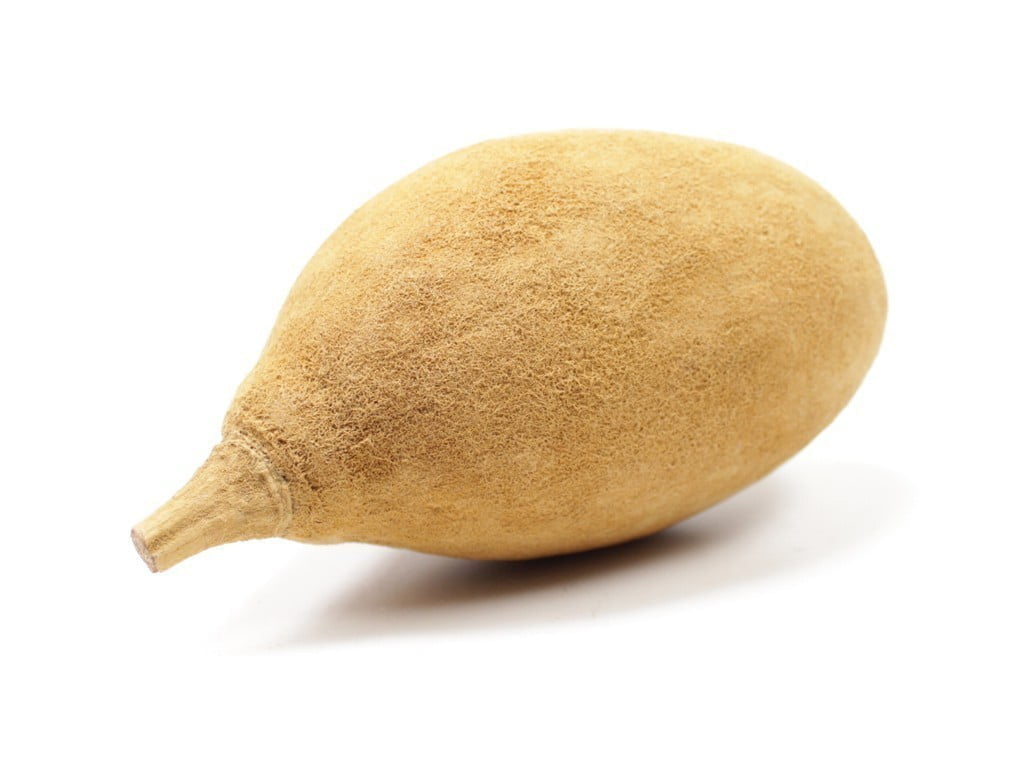
Baobab seed oil
BAOBAB OIL, COLD PRESSED is gaining increasing popularity thanks to its regenerative properties. It’s ideal for daily hair and skin care.
Baobab powder is appreciated for its nutritional composition and naturally tart, slightly citrus-like taste, which makes it suitable for beverages, powdered blends, and functional food products. Many health-conscious consumers are drawn to products containing baobab because the ingredient feels natural, minimally processed, and connected to traditional wellness practices. Its growing popularity reflects the wider movement toward natural functional foods inspired by indigenous knowledge.
Hibiscus (Hibiscus sabdariffa) is another African botanical that continues to gain recognition in modern health and wellness industries. Known for its vibrant color and refreshing qualities, hibiscus has long been used in traditional herbal drinks across several African countries. The plant naturally contains antioxidants and plant compounds that make it valuable in functional beverages, herbal teas, and wellness supplements.
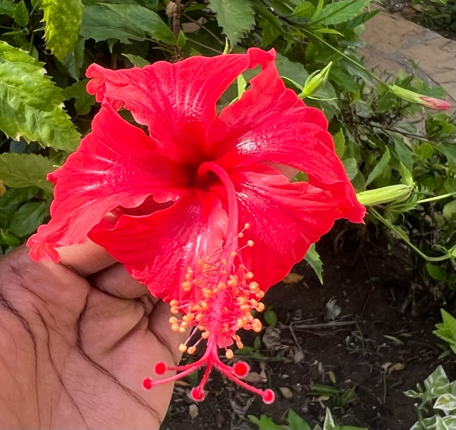
Many formulators use hibiscus in products designed to support hydration, vitality, and general wellness. Beyond its functional benefits, hibiscus also offers strong visual and sensory appeal because of its deep red hue and refreshing flavor profile. In many African homes, hibiscus drinks remain part of everyday life, bringing together tradition, refreshment, and natural wellness.
Traditional Medicinal Plants: Devil’s Claw, Rooibos and Ginger
Southern Africa is home to devil’s claw (Harpagophytum procumbens / Harpagophytum zeyheri), one of the continent’s most internationally recognized medicinal plants. Traditionally used for muscle and joint support, devil’s claw has become increasingly important in herbal wellness products and nutraceutical formulations sold around the world.
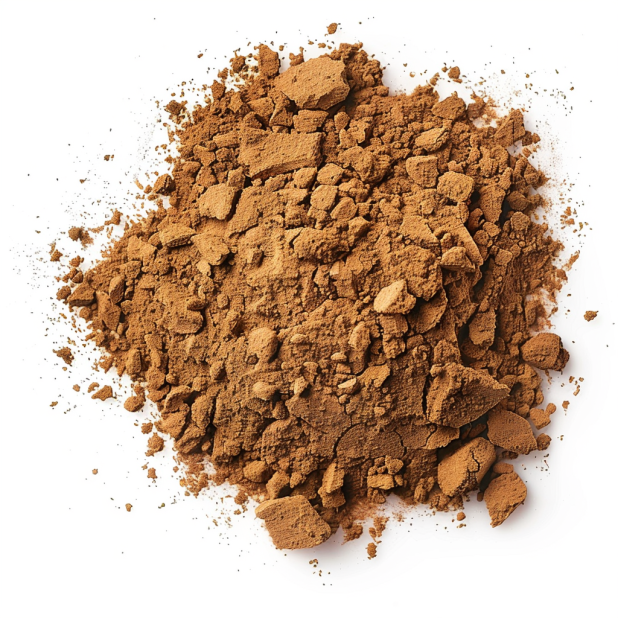
Devil’s claw extract
Devil’s claw extract was first used by South Americans over 2,000 years ago. Back then, it was applied to combat muscle and joint pain. Nowadays, it’s popular mainly in natural medicine.
The plant contains naturally occurring compounds that continue to attract scientific and commercial interest because of their association with mobility and physical comfort. Today, devil’s claw extracts are commonly found in capsules, herbal blends, and wellness products targeting active lifestyles and joint support.
Another globally recognized South African botanical is rooibos (Aspalathus linearis). Although widely known as a caffeine-free herbal tea, rooibos has expanded far beyond the beverage industry. Rich in antioxidants, rooibos is now incorporated into skincare products, wellness supplements, and relaxation-focused formulations.
Consumers appreciate rooibos because it feels gentle, natural, and soothing. In skincare, rooibos extracts are commonly used in products designed for sensitive or stressed skin due to their calming properties. In wellness beverages, the ingredient continues to symbolize comfort and balance, reflecting South Africa’s long-standing herbal traditions.
African ginger (Zingiber officinale) varieties also remain important in both traditional and modern wellness systems. Ginger has been used for generations to support digestion, warmth, and general wellbeing. Today, it continues to appear in herbal supplements, wellness shots, functional beverages, and natural formulations targeting digestive comfort.
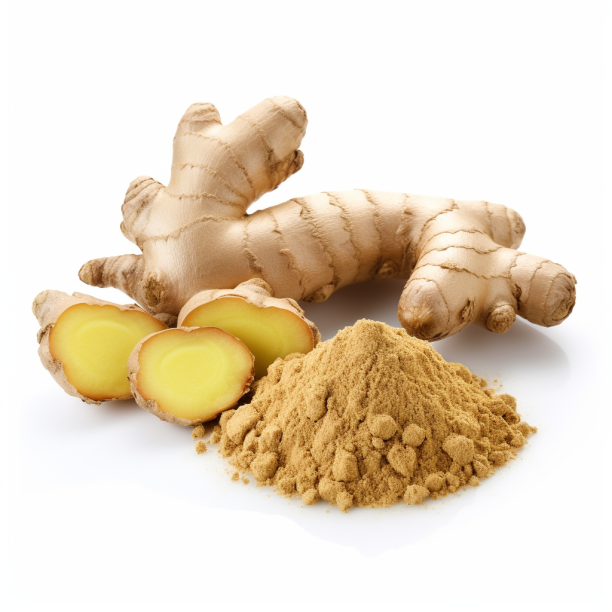
Ginger root extract
High-quality ginger extract.
Ginger (Zingiber officinale) has a sweet-spicy, slightly lemony flavor. Known for thousands of years as a spice, it also has a broad health benefits. It is commonly used for sweet and sour dishes, as well as an addition to tea that’s great for warming up the body and treating cold.
The ingredient’s familiar flavor and versatility make it especially attractive in modern wellness markets where consumers prefer recognizable botanical ingredients with traditional roots. Ginger also blends well with other African botanicals cultivated, sourced, or traditionally used in Africa, allowing manufacturers to create balanced herbal formulations inspired by natural wellness traditions.
Aloe Vera and Black Seed in Modern Wellness Formulations
Aloe vera cultivation has expanded significantly across several African regions due to increasing international demand for soothing and hydrating ingredients. Aloe vera inner-leaf gel is used in topical products, skincare gels, and certain food and beverage formulations. It should not be confused with aloe latex or whole-leaf preparations containing hydroxyanthracene derivatives, which may raise safety and regulatory concerns.
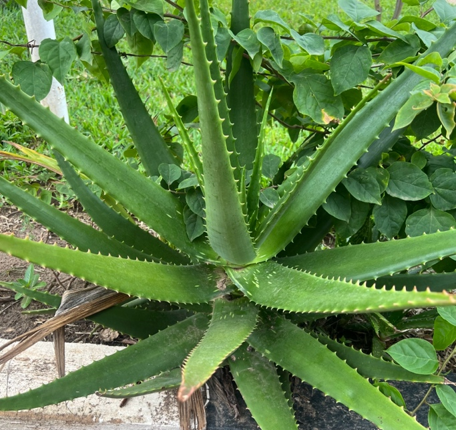
Its cooling and calming properties have helped maintain aloe vera’s popularity across both traditional and modern care systems. Many consumers continue to associate aloe vera with gentle care, hydration, and natural skin support.
Black seed, also known as Nigella sativa, is another traditional ingredient increasingly incorporated into wellness and nutraceutical products. Black seed oil has long been appreciated in traditional medicine because of its rich composition and historical wellness associations.
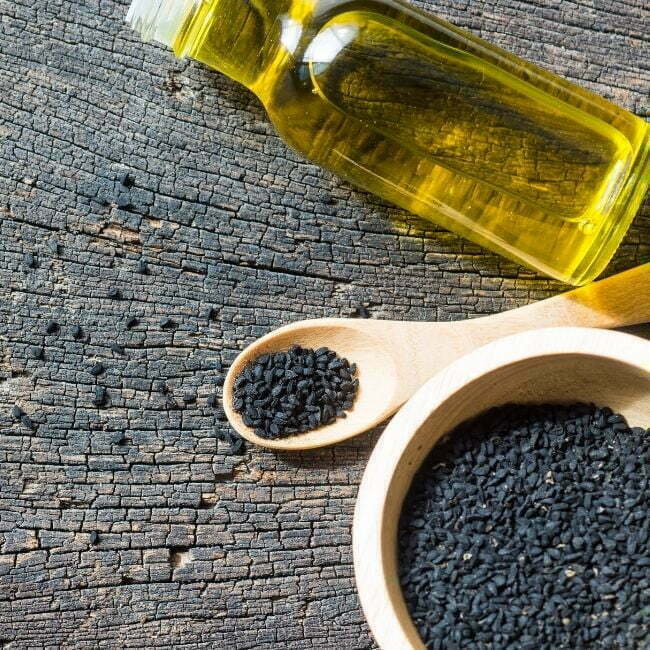
Black cumin oil
As a wholesale distributor of black cumin seed oil, we offer a product of the highest food-grade quality, which is used in various industries – from food, to pharmaceuticals, to cosmetics.
Today, it is commonly used in softgel capsules, herbal oils, and wellness formulations designed to support everyday health. Its growing popularity reflects the wider consumer preference for ingredients rooted in traditional wellness practices.
The increasing demand for African medicinal plants reflects a broader shift within the global health and wellness industry. Consumers are becoming more interested in natural, minimally processed, and plant-based products that feel authentic and transparent. African botanicals cultivated, sourced, or traditionally used in Africa meet these expectations because they carry strong cultural heritage while offering functionality valued in modern formulations.
Quality, Regulations and Sustainable Sourcing of African Botanicals
However, working with natural pharmaceutical ingredients also requires careful sourcing and quality management. Botanical materials can vary depending on climate conditions, harvesting practices, and processing methods. Reliable suppliers therefore play an important role in maintaining consistency, traceability, and ingredient quality.
Regulatory standards are also becoming increasingly important as natural wellness industries continue expanding internationally. Ingredients intended for cosmetic, nutraceutical, or pharmaceutical applications must meet safety and documentation requirements that vary across markets.
Sustainability has also become central to the future of botanical sourcing. Responsible harvesting practices and ethical sourcing partnerships are essential for protecting biodiversity while supporting farming communities involved in ingredient production.
Africa’s botanical diversity continues to offer enormous potential for modern wellness and pharmaceutical innovation. Many indigenous plants remain relatively underexplored despite their long-standing traditional use and promising functional properties.
As global consumers continue embracing plant-based approaches to wellness, African medicinal ingredients are expected to play an even greater role in future product development. Their growing popularity reflects a renewed appreciation for traditional knowledge, plant-based care, and the belief that nature still holds some of the most valuable wellness solutions.
References
1. Leone, A., Spada, A., Battezzati, A., Schiraldi, A., Aristil, J., & Bertoli, S. (2015). Cultivation, genetic, ethnopharmacology, phytochemistry and pharmacology of Moringa oleifera leaves: An overview. International Journal of Molecular Sciences, 16(6), 12791–12835. DOI: https://doi.org/10.3390/ijms160612791
2. Brendler, T., Al-Harrasi, A., Bauer, R., et al. (2021). Botanical drugs and supplements affecting the immune response in the time of COVID-19. Journal of Ethnopharmacology, 268. DOI: https://doi.org/10.1016/j.jep.2020.113582
3. Viljoen, A., Mncwangi, N., & Vermaak, I. (2012). Anti-inflammatory iridoids of botanical origin. Current Medicinal Chemistry, 19(14), 2104–2127. DOI: https://doi.org/10.2174/092986712800229005 Supports information about devil’s claw and African medicinal botanicals.
4. Surjushe, A., Vasani, R., & Saple, D. G. (2008). Aloe vera: A short review. Indian Journal of Dermatology, 53(4), 163–166. DOI: https://doi.org/10.4103/0019-5154.44785
5. McKay, D. L., & Blumberg, J. B. (2007). A review of the bioactivity and potential health benefits of Hibiscus sabdariffa tea. Phytotherapy Research, 21(2), 115–119. DOI: https://doi.org/10.1002/ptr.2041