


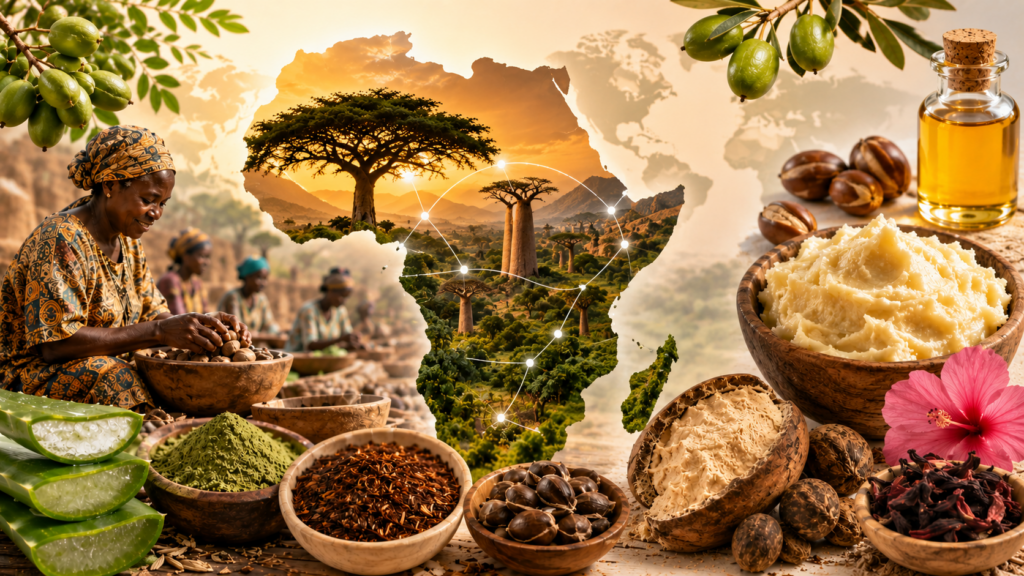
Africa has become one of the world’s most important regions for sourcing natural raw materials used in cosmetics, wellness products, food formulations, nutraceuticals, and pharmaceutical applications. Across the continent, rich soils, diverse climates, and long-standing agricultural traditions continue to produce valuable botanical ingredients that are increasingly sought after by manufacturers around the world.
From shea butter and baobab to moringa, hibiscus, marula oil, and aloe vera, African ingredients are now widely recognized for their quality, versatility, and natural appeal. As global consumers continue shifting toward clean-label, plant-based, and sustainably sourced products, many companies are looking toward Africa not only for ingredients, but also for authenticity and connection to traditional knowledge.
Why Africa Is Becoming a Global Source of Natural Raw Materials
What makes African sourcing especially unique is the relationship between people, land, and nature. In many regions, farming and harvesting practices have been passed down through generations, creating a deep understanding of local plants and natural resources. Whether it is women carefully processing shea butter in village cooperatives or farmers harvesting medicinal herbs under the East African sun, African raw materials often carry stories that modern consumers increasingly value. As many would say in Swahili, mali ya asili ni hazina (natural resources are a treasure), and these treasures continue to shape global beauty and wellness industries.
Why Manufacturers Choose African Ingredients
The growing demand for African ingredients is closely connected to changes in consumer preferences. Today’s consumers are more conscious about ingredient origins, sustainability, and transparency. Many people actively seek products that feel natural, minimally processed, and ethically sourced. African botanicals fit naturally into this movement because they combine functionality with heritage and authenticity.
West African Ingredients
West Africa remains one of the continent’s most important sourcing regions for cosmetic and food ingredients. Shea butter continues to dominate the natural skincare industry due to its deeply moisturizing and protective properties. Produced mainly in Ghana, Burkina Faso, Mali, and Nigeria, shea butter is used in body creams, soaps, lip balms, hair masks, and pharmaceutical ointments.
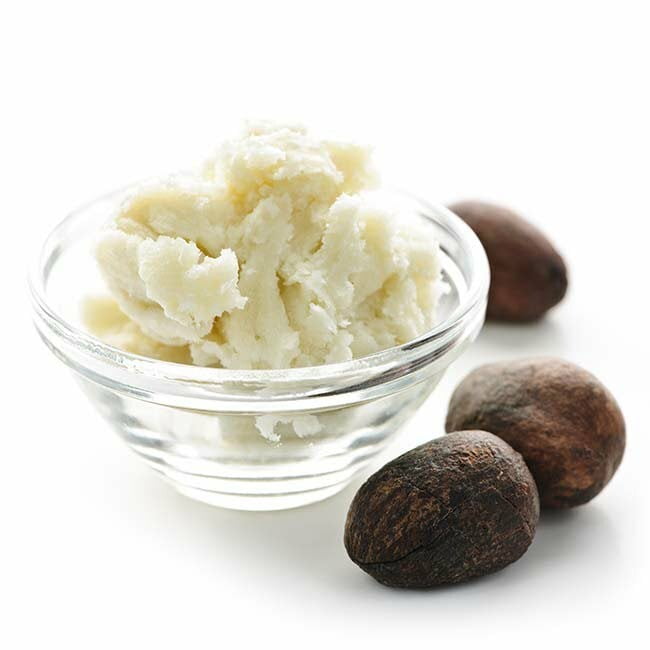
Shea Butter (Karité Butter)
Pure, full-value Shea butter for cosmetic use. It has a fresh and original composition, which guarantees a high content of vitamins A and E responsible for delaying skin aging processes. The Shea butter from our offer has the proper scent, color, and consistency because it is not diluted with other oils.
Traditional shea butter production supports many women-led cooperatives across the region, making the ingredient not only commercially important but also socially significant. Consumers increasingly appreciate products linked to ethical sourcing and community support, which has strengthened the global appeal of shea-based products.
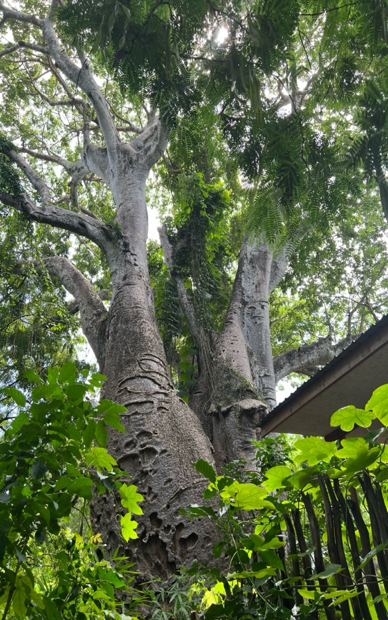
Baobab is another ingredient gaining significant international attention. The fruit of the baobab tree is naturally rich in vitamin C, antioxidants, minerals, and dietary fiber. Baobab powder is now widely incorporated into wellness beverages, nutritional supplements, smoothie blends, and functional foods.
Baobab oil is equally valuable in cosmetic applications because of its moisturizing and skin-softening properties. Many beauty brands use the oil in facial serums, body oils, and restorative haircare products designed for dry or sensitive skin.
African black soap also continues to grow in popularity across international skincare markets. Traditionally crafted using plant ash and natural oils, black soap has long been used in cleansing and skincare rituals throughout West Africa. Consumers are increasingly drawn to its authenticity and traditional production methods, especially within the clean beauty movement.
East African Ingredients
East Africa has also emerged as an important sourcing destination for botanical ingredients and agricultural raw materials. Countries such as Kenya, Tanzania, Uganda, and Ethiopia produce a wide variety of ingredients used in cosmetics, wellness products, and nutraceutical formulations.
Moringa has become one of the region’s most commercially successful exports due to its exceptional nutritional composition. Rich in vitamins, minerals, antioxidants, and amino acids, moringa is widely used in herbal supplements, protein powders, wellness drinks, and skincare products.
Moringa oil, extracted from the seeds of the mlonge tree, is especially appreciated in modern cosmetic formulations because of its lightweight texture and stability. It helps nourish the skin and hair while maintaining a soft and elegant feel.
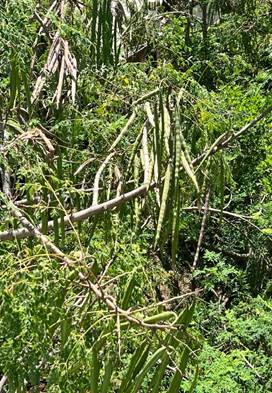
Sesame seeds and sesame oil from East Africa also continue to attract international demand. Ethiopia and Sudan are among the leading producers of high-quality sesame used in food production, wellness products, and traditional preparations. Sesame oil remains valued for its smooth texture and nutritional profile.
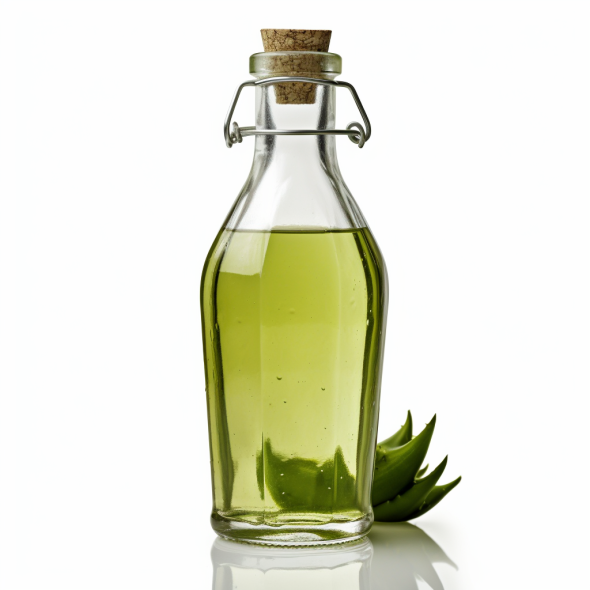
Aloe vera cultivation has expanded significantly across East Africa due to increasing demand for soothing and hydrating ingredients. Aloe extracts are commonly used in skincare gels, wellness products, shampoos, and hydrating formulations designed to support gentle care.
North African Botanical Ingredients
North Africa has historically played a major role in the production of aromatic plants, botanical oils, and medicinal herbs. Morocco, Tunisia, and Egypt continue to supply globally recognized ingredients used in cosmetic and wellness industries.
Argan oil remains one of the region’s most valuable exports. Rich in antioxidants and essential fatty acids, argan oil is widely used in premium skincare and haircare products. Its nourishing properties and traditional Moroccan heritage have made it one of the most recognizable natural oils in the global beauty industry.
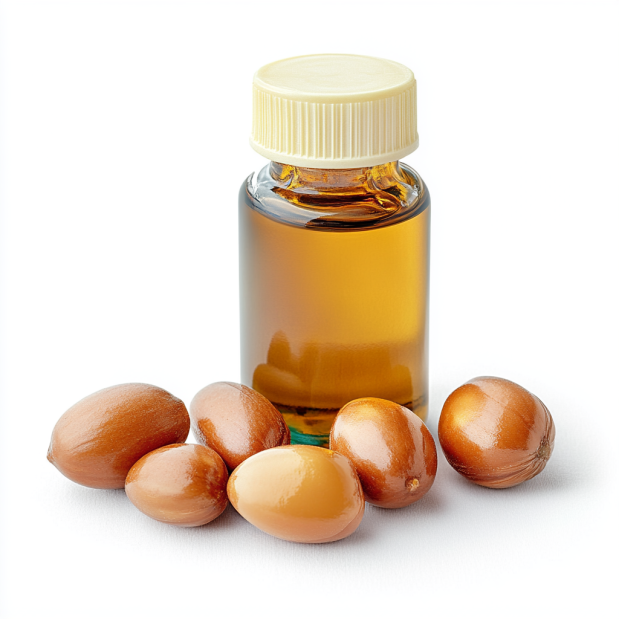
Argan oil
Moroccan argan oil from a trusted supplier. It doesn’t smell unpleasantly. It can be used to produce all kinds of cosmetics. This oil is not refined You can sleep soundly knowing that purchasing our argan oil means getting a fresh, unthinned substance with a satisfactory vitamin E content.
Prickly pear seed oil is another luxurious North African ingredient increasingly incorporated into high-end cosmetic products. Known for its silky texture and antioxidant content, the oil is commonly used in anti-aging serums and regenerative skincare formulations.
Southern Africa is especially important for unique indigenous botanicals such as rooibos, marula oil, and devil’s claw. Rooibos is globally appreciated as a caffeine-free herbal tea rich in antioxidants, while marula oil has become a favorite ingredient in luxury skincare and haircare products.
Devil’s claw, traditionally used in herbal wellness practices, has also gained recognition within nutraceutical and wellness industries due to its association with joint and muscle support.
Challenges of Sourcing Raw Materials from Africa
As demand for African raw materials continues to increase, sourcing practices are becoming more sophisticated and quality-focused. International manufacturers now require higher levels of traceability, consistency, and transparency throughout supply chains.
Quality Control
One of the main challenges associated with sourcing natural ingredients from Africa is maintaining consistent quality. Botanical materials naturally vary depending on climate, rainfall, harvesting methods, soil conditions, and processing techniques. Reliable quality control systems therefore play an essential role in ensuring stable ingredient performance.
Infrastructure and Logistics
Infrastructure and logistics can also influence sourcing operations. Transportation networks, storage conditions, and export procedures may vary significantly between regions, affecting delivery timelines and supply reliability. Companies sourcing from Africa often benefit from working closely with experienced local suppliers and distribution partners who understand regional conditions.
Regulatory Compliance
Regulatory compliance has also become increasingly important within the natural ingredients sector. Ingredients intended for cosmetic, food, or pharmaceutical applications must meet specific documentation and safety standards depending on the target market.
Sustainability and Ethical Sourcing
Sustainability continues to shape the future of ingredient sourcing as well. Consumers increasingly prefer products associated with ethical sourcing, environmental responsibility, and support for local communities. Many African producers are now investing in more sustainable harvesting practices and improved agricultural methods designed to protect biodiversity while supporting long-term production.
Another important trend is the growth of local processing across Africa. Rather than exporting only raw agricultural materials, many producers are now expanding into oil extraction, powder manufacturing, and ingredient refinement. This shift helps improve product quality while creating greater economic value within producing countries.
The Future of African Raw Materials
Technology and international partnerships are also helping modernize Africa’s natural ingredients sector. Improved quality testing, better farming techniques, and expanding export infrastructure are allowing African suppliers to compete more effectively within global markets.
As global industries continue embracing natural and plant-based formulations, Africa’s role in ingredient sourcing is expected to become even more important. The continent offers a unique combination of biodiversity, agricultural potential, and traditional botanical knowledge that aligns perfectly with modern consumer preferences.
For manufacturers seeking authentic, high-quality, and naturally functional ingredients, Africa continues to provide enormous opportunities. With responsible sourcing, strong supplier relationships, and growing international recognition, African raw materials are likely to remain at the heart of future innovation across beauty, wellness, food, and pharmaceutical industries.
References
1. Vermaak, I., Kamatou, G. P. P., Komane-Mofokeng, B., Viljoen, A. M., & Beckett, K. (2011). African seed oils of commercial importance — Cosmetic applications. South African Journal of Botany, 77(4), 920–933.
DOI: https://doi.org/10.1016/j.sajb.2011.07.003
2. Shackleton, S., Shanley, P., & Ndoye, O. (2007). Invisible but viable: Recognising local markets for non-timber forest products. International Forestry Review, 9(3), 697–712.
DOI: https://doi.org/10.1505/ifor.9.3.697
3. Gebauer, J., El-Siddig, K., & Ebert, G. (2002). Baobab (Adansonia digitata L.): A review on a multipurpose tree with promising future in the Sudan. Gartenbauwissenschaft, 67(4), 155–160.
4. Jamnadass, R., Mumm, R. H., Hale, I., et al. (2020). Enhancing African orphan crops with genomics. Nature Genetics, 52, 356–360.
DOI: https://doi.org/10.1038/s41588-020-0601-x
5. Frommherz, S. (2012). The rise of Africa’s natural products industry. Trade Forum Magazine, International Trade Centre.