






Properties and applications of peony PDRN
In this blend, Sodium DNA acts as a skin-conditioning agent, while glycerin is a humectant that binds water. This combination can be used in a moisturizing serum, a daily cream for dry skin or a gel face mask. The raw material is suitable for vegan cosmetics.
Peony PDRN can also be considered when developing a skin barrier care cream. In a topical study, a cream containing a specific low-molecular-weight fraction of peony PDRN reduced transepidermal water loss in a skin irritation model. This result applies to the fraction and formulation studied.
What distinguishes the composition of peony PDRN?
Sodium DNA content ranges from 0.20–0.22%. The carrier contains both glycerin and butylene glycol, each at 10–20% of the raw material by weight. This is relevant when a formulator controls the total content of both ingredients. At a 2% inclusion rate, the peony blend itself contributes 0.2–0.4% each of glycerin and butylene glycol to the cosmetic product.
How to use peony PDRN in the water phase
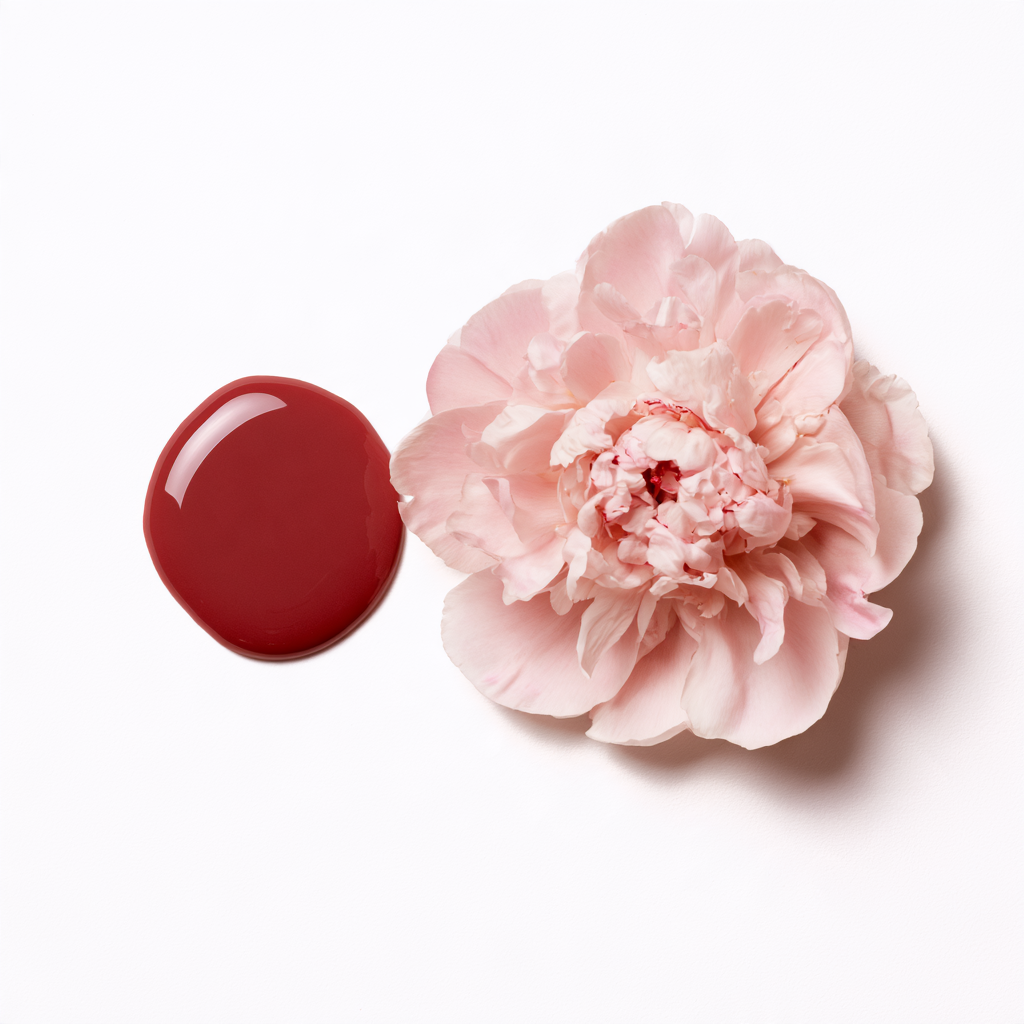
The liquid dissolves in the water phase. At 1% of the cosmetic product by weight, it contributes 20–22 ppm Sodium DNA; at the maximum recommended inclusion rate of 2%, it contributes 40–44 ppm. The raw material’s yellow-brown to reddish-brown color should also be considered when planning trials. The shade is particularly important in light, transparent cosmetic bases.
The product description is provided for reference purposes only. The parameters of the raw material may differ from those presented depending on the variety, intended use, method of production, season and other factors. For detailed information, please contact our sales representative.
The product description does not constitute an offer within the meaning of Article 66 § 1 of the Polish Civil Code.


