






Recently updated on: July 16th, 2026
Africa is home to a remarkable diversity of plant species that have long been used in traditional medicine, personal care, and crop protection. Some of these plants contain essential oils and other active compounds that may help repel insects or interfere with their feeding and development. As interest in plant-based solutions continues to grow, these botanical ingredients are attracting increasing attention for use in insect repellents and crop protection products.
Citronella Grass as a Natural Repellent
Citronella grass (Cymbopogon nardus) is one of the best-known plants used in natural insect-repellent products. Its native range includes parts of tropical and southern Africa, as well as Indochina. Citronella oil extracted from the plant is commonly used in candles, sprays, lotions, and other products designed to repel mosquitoes and other insects.
The strong lemon-like scent masks human odors, enabling mosquitoes to locate their target much less easily. The effectiveness of citronella-based products depends on their formulation, concentration, and method of application. Citronella essential oil should not be applied to the skin undiluted, as it may cause irritation or allergic reactions in some people.
Neem’s Effectiveness as an Insect Repellent
Neem (Azadirachta indica) is native to tropical Asia but is now widely cultivated in East and West Africa. Neem oil and extracts obtained from different parts of the plant have traditionally been used in insect-control preparations. One of neem’s principal active compounds, azadirachtin, may reduce insect feeding and interfere with reproduction, moulting, and development.
Neem-based ingredients are commonly used in agriculture as components of botanical crop protection products.

Lemon Eucalyptus and Its Powerful Insect Repelling Properties
Lemon eucalyptus (Corymbia citriodora) is native to Australia but is also cultivated in several parts of Africa. Oil of lemon eucalyptus (OLE) and para-menthane-3,8-diol (PMD) are used as active ingredients in some insect-repellent products. Properly formulated products containing OLE or PMD may provide protection comparable to products containing lower concentrations of DEET.
Formulated products containing OLE or PMD are available as sprays, lotions, and other preparations intended to repel mosquitoes and certain other biting insects. Pure lemon eucalyptus essential oil should not be treated as equivalent to a tested insect-repellent formulation.
Garlic’s Natural Insect-Repellent Qualities
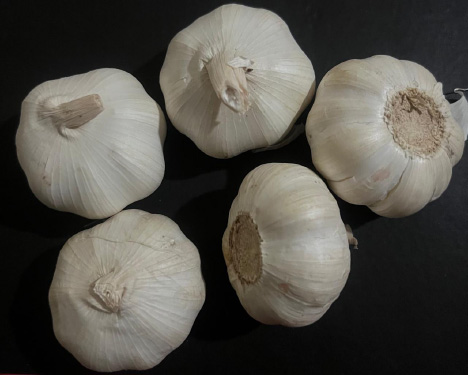
Lastly, garlic (Allium sativum), which is widely cultivated throughout the African continent, contains sulfur compounds that are insect-repellent. While garlic doesn’t seem like the most pleasant odiferous means of personal odor control, it can be used in gardens and farms to repel pests such as aphids and mosquitoes.
Citronella, neem, lemon eucalyptus, and garlic illustrate the diverse ways in which plant-derived ingredients can be used in insect repellents and crop protection products. However, these plants do not all work in the same way, and not every plant extract or essential oil is suitable for direct application to the skin.
The effectiveness and safety of a repellent depend on its active ingredients, concentration, formulation, and method of application. Plant-based products may contribute to more sustainable approaches to insect control, but they should always be used according to the manufacturer’s instructions and their intended purpose.
References
Bowlsby, M. B. (2020). Repellent activity of DEET, Icaridin, Permethrin, lemon eucalyptus oil (Corymbia citriodora), and tea tree oil (Melaleuca alternifolia) against Ornithodoros turicata nymphs.
Eid, A., Jaradat, N., & Elmarzugi, N. (2017). A Review of chemical constituents and traditional usage of the Neem plant (Azadirachta Indica). Palestinian Medical and Pharmaceutical Journal, 2(2), 3.
Giday, M. (2018). Traditional knowledge of people on plants used as insect repellents and insecticides in Raya-Azebo district, Tigray region of Ethiopia.
Kumoro, A. C., Wardhani, D. H., Retnowati, D. S., & Haryani, K. (2021, February). A brief review of the characteristics, extraction, and potential industrial applications of citronella grass (Cymbopogon nardus) and lemongrass (Cymbopogon citratus) essential oils. In IOP Conference Series: Materials Science and Engineering (Vol. 1053, No. 1, p. 012118). IOP Publishing.
Wangai, L. N., Kamau, K. K., Munyekenye, G., Nderu, D., Maina, E., Gitau, W., … & Otieno, F. (2020). Efficacy of plant-based repellents against Anopheles mosquitoes: A systematic review. Biomed. Sci, 6, 44.
Yusuf, Z. (2019). THE ROLE OF NEEM (Azadirachta indica) SEED AND GARLIC (Allium sativum) BULB POWDERS AS BIO-PESTICIDES AGAINST ADULT MAIZE WEEVIL (Sitophilus zeamais Motsch.) IN STORED MAIZE (Doctoral dissertation, Haramaya university).

thanks