



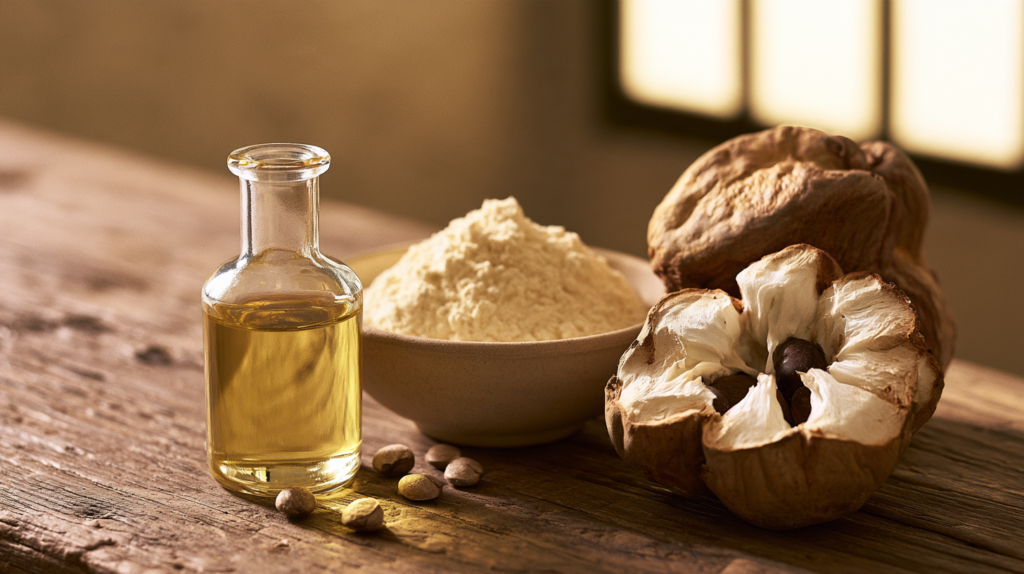
Africa’s baobab tree is a remarkable example of how one plant can offer several valuable ingredients. Known as the “tree of life”, this iconic tree has supported communities across the continent for generations, providing food, traditional remedies and materials for everyday use. Its fruit and seeds are now attracting growing interest from natural product manufacturers, particularly those looking for distinctive African ingredients with practical applications in modern formulations. While baobab seed oil and baobab fruit powder come from the same tree, they offer very different qualities.
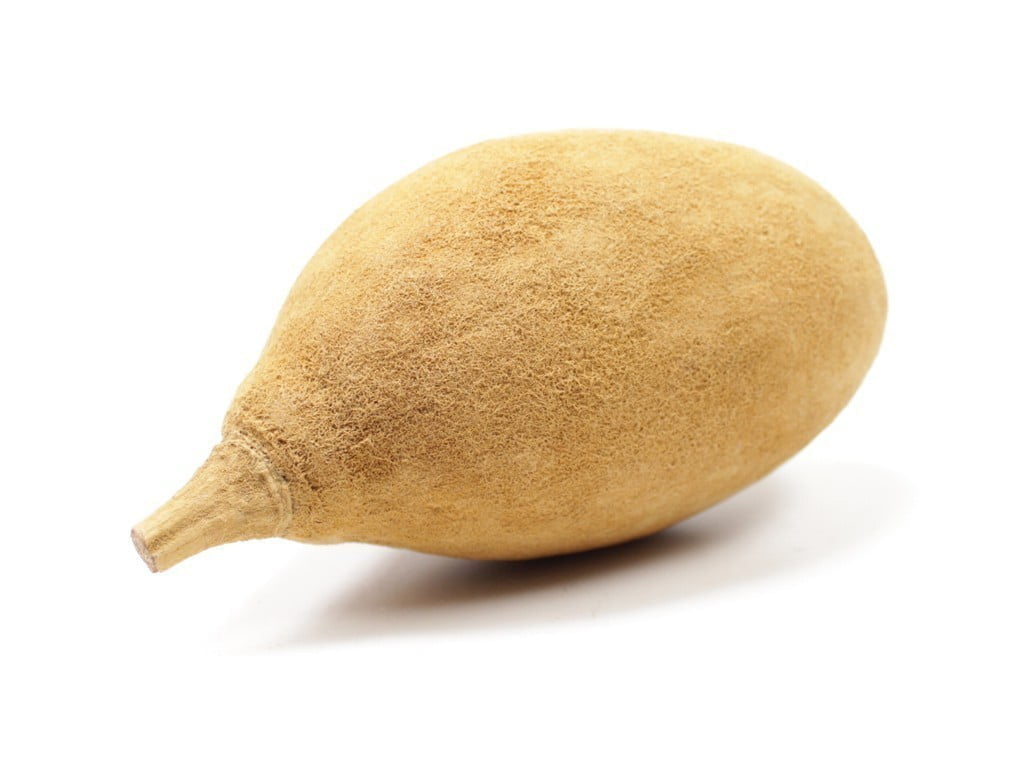
The baobab, scientifically known as Adansonia digitata, grows in many parts of sub-Saharan Africa, including Kenya and other East African countries. Its large, distinctive fruit contains a dry, pale pulp surrounding numerous seeds. Once separated and processed, these parts become two very different raw materials: an oil valued for its conditioning properties and a fruit powder appreciated for its naturally occurring nutrients and versatility.
Two Ingredients, One Remarkable African Tree
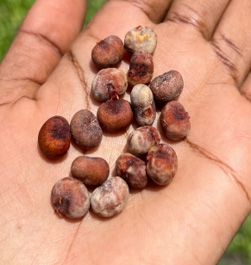
The difference between baobab oil and baobab fruit powder begins with the part of the fruit used to produce them. Baobab seed oil is obtained by extracting oil from the seeds, usually through mechanical pressing or other suitable extraction methods. The resulting ingredient is a plant oil with a smooth, emollient character that makes it interesting for skincare and haircare. Fruit powder is made from the dried pulp inside the baobab fruit. The pulp naturally separates from the seeds and fibres as the fruit matures, and it can be processed into a fine, pale powder.
Although these ingredients share a botanical origin, they are not interchangeable. The seed contains oil, while the fruit pulp is known for its distinctive nutritional composition, including naturally occurring vitamin C, dietary fibre and minerals. These differences influence how each material behaves, how it is processed and which applications are most appropriate. This distinction is important when choosing an ingredient for a particular formulation. A product designed to soften and condition the skin has different needs from one developed around fruit-derived ingredients for food or wellness applications.
Baobab Seed Oil – A Nourishing Ingredient for Skin and Hair
Baobab seed oil has earned its place among Africa’s valued botanical oils because of its appealing texture and fatty-acid composition. It contains fatty acids such as oleic, linoleic and palmitic acids, which contribute to the characteristics of the oil and help explain its interest to cosmetic formulators. Baobab oil helps soften the skin and hair while leaving a conditioning layer that can reduce the feeling of dryness. Its emollient properties leave the skin feeling supple and the hair smoother and easier to manage.
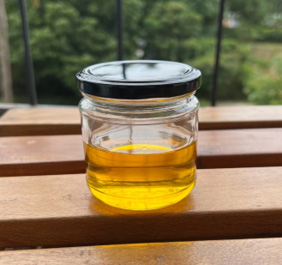
Baobab seed oil
BAOBAB OIL, COLD PRESSED is gaining increasing popularity thanks to its regenerative properties. It’s ideal for daily hair and skin care.
In skincare, baobab oil can be incorporated into facial oils, body oils, creams, lotions, balms and other leave-on products. A well-designed facial oil should spread comfortably across the skin, while a body butter or balm benefits from ingredients that help maintain softness and reduce the rough feeling associated with dry skin. For consumers who enjoy plant-based skincare, it offers a way to experience an ingredient rooted in African botanical traditions.
Haircare is another natural home for baobab seed oil, it is often included in conditioners, hair masks, serums and leave-in treatments to improve manageability and help reduce moisture loss from the hair surface. It can also be blended with lighter oils to create a texture suited to different hair types and product formats. The value of baobab oil is not limited to traditional uses or consumer preference. Research has examined its fatty-acid composition and its effects when applied to the skin. Baobab seed oil can help give a product a clear botanical identity while serving a practical purpose in the formula.
Baobab Fruit Powder – The Natural Richness of the Pulp
Baobab fruit powder offers a different kind of value. Made from the fruit’s dry pulp, it is widely recognised as a nutrient-rich African food ingredient. The pulp contains naturally occurring vitamin C, fibre and minerals, along with organic acids and other plant compounds that contribute to its characteristic composition. Its tangy flavour and fine, dry texture make it suitable for use in drinks, smoothies, food blends and other products where a fruit-derived ingredient is desired. Baobab powder is best known for its role in food and wellness products.
The powder’s versatility is one of its most attractive features. It can be blended into beverages, added to fruit preparations or incorporated into dry mixes, depending on the product’s purpose and formulation requirements. Its naturally tart taste can bring a distinctive note to recipes, while its origin gives manufacturers a way to introduce an African fruit ingredient to consumers who are interested in plant-based and less familiar raw materials. For people discovering baobab for the first time, the powder offers an accessible way to experience the fruit without needing to handle the whole pod.
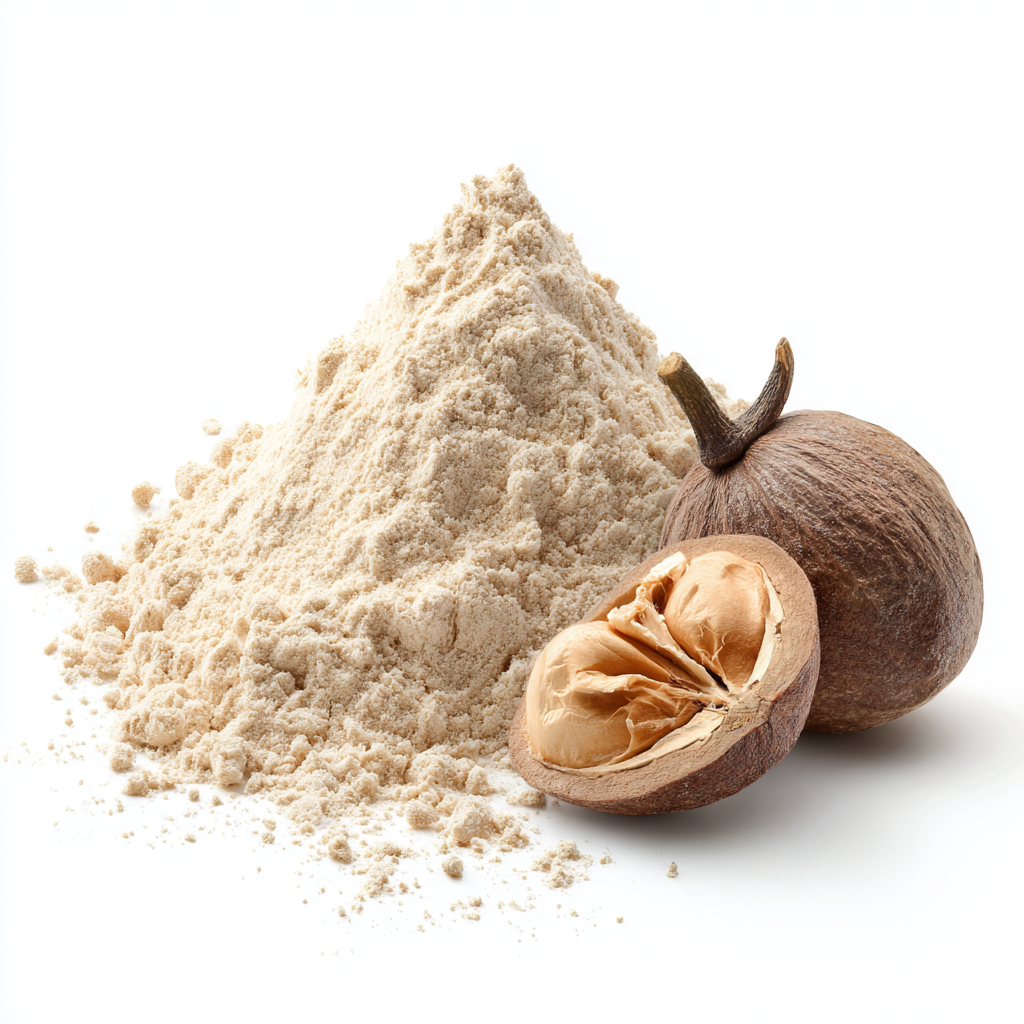
Baobab Fruit Powder
Organic baobab fruit powder is obtained from the pulp of baobab tree fruits (Adansonia digitata), also known as the “tree of life”. This raw material is distinguished by its characteristic aroma and taste, free from any foreign notes. It is a 100% natural and organically certified product.
There is also a story behind the ingredient that extends beyond its composition. Baobab trees grow in regions where seasonal conditions can make certain food sources less predictable, and the fruit has long formed part of local food traditions. The pulp can be separated from the hard shell, processed and stored in a dry form, making it suitable for use beyond the harvest period. This connection between a naturally occurring fruit and practical processing helps explain why baobab has attracted attention from food producers and ingredient suppliers. Its value comes not only from what is inside the fruit, but also from the ways communities have learned to collect, prepare and use it.
For cosmetic manufacturers, the use of baobab fruit powder requires a little more consideration. A powder intended for food is not automatically suitable for use in a face mask, scrub or other cosmetic product. The material’s microbiological quality, particle size, moisture content, processing conditions and intended route of use all matter. A supplier should be able to provide specifications and documentation appropriate to the intended application. Where the powder is used in a cosmetic formulation, the manufacturer must also assess its compatibility with the other ingredients and the safety and stability of the finished product.
What Makes Each Ingredient Valuable?
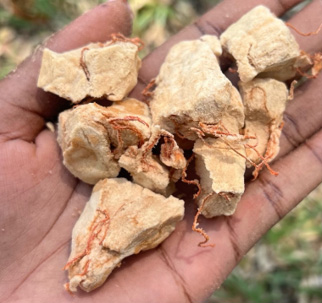
When comparing baobab seed oil and fruit powder, the most useful question is not which one is better, but what each ingredient is intended to do. Baobab oil is suited to products that benefit from an oil phase, such as moisturisers, body oils, hair conditioners and nourishing balms. It contributes softness, slip and a conditioning feel. Baobab fruit powder is a dry, fruit-derived material whose best-known applications are in food and wellness products, where its composition, flavour and powder form are useful.
Their different characteristics also affect how they are handled during production. Oil suppliers need to control factors such as extraction method, storage, oxidation and the consistency of the finished oil. Fruit-powder suppliers need to pay attention to drying, milling, moisture control, cleanliness and protection from conditions that could affect quality. In both cases, the botanical name, source, processing method and batch documentation help manufacturers understand what they are buying. These details are particularly important when an ingredient is being sourced for commercial production rather than occasional personal use.
Baobab itself is also a reminder that botanical ingredients are not always identical from one source to another. Growing conditions, the maturity of the fruit, local handling practices and processing can all influence the characteristics of the raw material. Research on baobab fruit pulp collected from different locations in Kenya found variation between samples, highlighting the importance of understanding the material rather than assuming that every batch has exactly the same composition. For manufacturers, reliable specifications and consistent supplier communication are therefore essential.
Bringing Baobab into Modern Natural Products
The growing interest in African botanical ingredients creates opportunities to bring baobab to new audiences while recognising the knowledge and traditions connected to its use. For cosmetic brands, baobab seed oil offers a compelling ingredient story alongside a practical role in products designed to soften, condition and nourish the skin and hair. For food and wellness brands, baobab fruit powder provides a distinctive way to work with the fruit’s naturally occurring nutrients and characteristic flavour.
The most successful use of either ingredient begins with choosing the right material for the right purpose. Manufacturers should look beyond the name on the label and consider the ingredient’s grade, documentation, processing history and suitability for the intended product. A high-quality raw material, sourced responsibly and handled carefully, gives formulators a stronger foundation for creating products that are both enjoyable to use and consistent from batch to batch.
Baobab’s appeal lies in this combination of nature, heritage and versatility. From the oil contained in its mbegu to the powder made from its fruit pulp, the tree offers distinct materials with different possibilities. Understanding those differences allows brands to make more informed choices and helps consumers appreciate why two ingredients from the same African tree can bring such different qualities to the products they use every day. In the spirit of asili, nature, baobab continues to show how a single tree can offer more than one path from African landscapes to modern natural products.
References
1. Kamatou, G. P. P., Vermaak, I., & Viljoen, A. M. (2011). African seed oils of commercial importance, Cosmetic applications. South African Journal of Botany, 77(4), 920–933.
2. Komane, B. M., Vermaak, I., Kamatou, G. P. P., Summers, B., & Viljoen, A. M. (2017). Beauty in Baobab: A pilot study of the safety and efficacy of Adansonia digitata seed oil. Revista Brasileira de Farmacognosia, 27, 1–8.
3. De Caluwé, E., Halamová, K., & Van Damme, P. (2010). Baobab (Adansonia digitata L.): A review of traditional uses, phytochemistry and pharmacology. In African Natural Plant Products: New Discoveries and Challenges in Chemistry and Quality (pp. 51–84). American Chemical Society.
4. Chadare, F. J., Linnemann, A. R., Hounhouigan, J. D., Nout, M. J. R., & van Boekel, M. A. J. S. (2009). Baobab food products: A review on their composition and nutritional value. Critical Reviews in Food Science and Nutrition, 49(3), 254–274.
5. Abdulwaliyu, I., Arekemase, S. O., Batari, M. L., Oshodin, J. O., Mustapha, R. A., Ibrahim, D., & Ekere, A. T. (2024). Nutritional and pharmacological attributes of baobab fruit pulp. Food Production, Processing and Nutrition, 6, Article 98.