


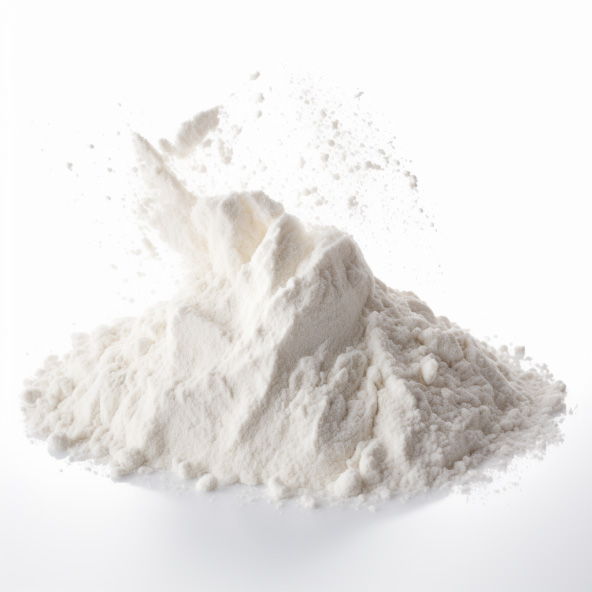
Fish Collagen
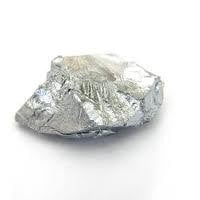
Type I fish collagen peptide is obtained through the hydrolysis of gelatin from fish skin. It is a pure, natural ingredient with a high protein content exceeding 94% on a dry weight basis. It contains 18 amino acids (including glycine, proline, hydroxyproline, arginine, leucine, lysine), of which 7 are essential amino acids.
The product is available in powder and granulated forms, with the granulated form offering faster solubility. It can be utilized in dietary supplements, cosmetic products, and functional foods.
Turkey Collagen Hydrolysate
Controlled hydrolysis of animal-derived collagen results in a mixture of peptides with varying molecular weights, characterized by very good water solubility (also at low temperatures) and high bioavailability.
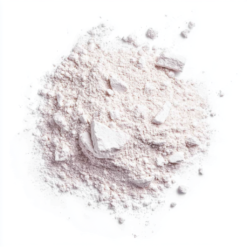
The offered collagen contains ≥90% protein and may be available in different fractions (low, medium molecular weight, or full spectrum). The product naturally contains structural components such as hydroxyproline and proline, glycine (approx. 14.6 g/100 g of protein), and glutamic acid (~11.4 g/100 g). Additionally, it may contain trace amounts of compounds supporting connective tissue structure, such as chondroitin sulfate and glucosamine. The amino acid profile also includes essential amino acids and branched-chain amino acids (BCAAs), which enhances its attractiveness for nutraceutical applications.
In food and supplement formulations, turkey collagen hydrolysate is used as a functional ingredient that does not significantly affect the taste or odor of the final product. It can be applied in beverages as well as in powdered or encapsulated products.
Turkey collagen hydrolysate is certified with: BRCGS Food, IFS Food, IFS Logistics, and Halal.
Hydrolyzed Bovine Collagen
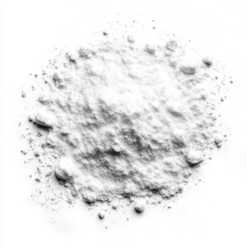
Hydrolyzed bovine collagen is sourced from certified raw materials originating in Turkey. This ingredient boasts a very high protein content of approximately 94.4%, attesting to its quality and high concentration of active peptides. Thanks to an advanced hydrolysis process, the collagen is broken down into small, easily absorbable peptides, which are characterized by high bioavailability and excellent water solubility. Viscosity parameters ranging from 3.6–3.99 mPa·s facilitate its use in various formulations, both liquid and powder. The raw material also features very good solution clarity, making it suitable for functional beverages and products where transparency is crucial.
Collagen peptide is practically odorless and lacks intense color. Microbiological analyses confirm that the product is fully safe for food and cosmetic applications.
Collagen peptides, rich in amino acids such as glycine, proline, and hydroxyproline, support collagen synthesis in the skin, improving its elasticity and hydration levels, and helping to reduce the appearance of fine wrinkles. This raw material is also excellent for dietary supplements intended for athletes and active individuals, as it supports connective tissue regeneration, joint health, and post-exercise recovery processes. In food and nutraceutical products, its neutral taste, clarity, and ease of mixing make it an attractive raw material for creating collagen beverages, instant powders, and functional bars.
In cosmetic applications, hydrolyzed collagen functions as a moisturizing and smoothing ingredient, improving the comfort and condition of the skin, especially dehydrated skin requiring reinforcement. It is a valuable component of creams, serums, lotions, and nourishing masks.
Properties of collagen
The primary role of collagen is to provide structure, strength, and support within the body, with specific roles including: assisting fibroblasts in forming the dermis (the middle layer of the skin), which aids in new cell growth; providing a protective covering for organs; imparting structure, strength, and elasticity to the skin; and participating in blood clotting.
In our wholesale offer, we present top-quality collagen, the regular consumption of which can counteract skin aging processes, reduce the visibility of fine lines and wrinkles, and support hair and nail regeneration. With properties that support the production of new skin cells, collagen is also invaluable for wound healing and tissue regeneration.
Beyond cosmetic benefits, collagen is essential for joint and ligament health. Its consumption can help alleviate pain, improve joint flexibility, and support bone health.
Who should supplement collagen?
With age, the body produces less collagen, and existing collagen breaks down more quickly. Women experience a significant reduction in collagen production after menopause. A decline in collagen production after the age of 60 is a natural phenomenon for everyone. A protein-poor diet can lead to insufficient collagen levels in the body. This can be observed through symptoms such as: wrinkled or sagging skin, puffiness around the eyes, weakened muscles, stiffer, less flexible tendons and ligaments, joint pain or osteoarthritis due to cartilage wear, or blood flow problems.
In the context of dietary supplementation, collagen is recommended for individuals concerned with health and beauty, as well as for active individuals, athletes, and seniors.
What destroys collagen in the body?
Environmental factors that contribute to reduced collagen synthesis include smoking, which decreases collagen production. It damages collagen and elastin, leading to wrinkle formation and slower wound healing. Nicotine constricts blood vessels near the skin’s surface, preventing oxygen and nutrient delivery.
Another detrimental factor is consuming excessive amounts of sugar and refined carbohydrates. Sugar binds with proteins, and the resulting molecules damage nearby proteins, causing collagen to become weak and brittle.
Similarly, exposure to ultraviolet light negatively affects the structure of collagen in the skin. Too much sunlight reduces collagen production and causes it to break down faster, leading to wrinkle formation.
Other factors contributing to collagen deficiencies in the body include autoimmune diseases (rheumatoid arthritis, lupus, dermatomyositis, and scleroderma) and genetic mutations (Ehlers-Danlos syndrome and osteogenesis imperfecta).
Which collagen to choose?
Approximately 28 types of collagen have been identified. They differ in how molecules combine, the cellular components added, and where collagen is utilized in the body.
The main amino acids forming collagen are proline, glycine, and hydroxyproline. All collagen fibers have at least one triple helix structure.
There are five different types of collagen in the body:
– Type 1 – constitutes about 90% of all collagen in the body. It is found in the skin, connective tissue, tendons, teeth, and bones.
– Type 2 – found in articular cartilage.
– Type 3 – occurs in the structures of muscles, organs, and arteries.
– Type 4 – found in the layers and membrane of the skin.
– Type 5 – occurs in hair, the cornea of the eyes, and also in the placenta during pregnancy.
Several different types of collagen supplements are available: animal-derived and marine (from fish), as well as vegan. Vegan products provide collagen precursors, as naturally occurring collagen comes exclusively from animal sources.
How to use collagen
Collagen can be added to smoothies or morning coffee, or consumed in capsule form, depending on preference. The amount of collagen needed daily depends on its type, form, and the reason for supplementation.
Recent studies suggest that hydrolyzed collagen in doses from 2.5 g to 15 g daily is safe and effective. A smaller dose of 2.5 g can beneficially affect joint pain, skin health, and hydration, while 5 g daily has been shown to benefit bone health; larger doses of 15 g have been used to improve body composition and muscle mass.
How to increase collagen levels in the body
Collagen can be supplied to the body through a balanced diet rich in legumes, seafood, meat, poultry, dairy, and eggs. However, it is important to remember that the body breaks down ingested collagen proteins into amino acids, from which it then resynthesizes missing proteins. Thus, consuming collagen-rich foods does not directly result in higher collagen levels in the body if other proteins are needed at that moment. Nevertheless, many foods and supplements provide ingredients that support collagen production. These contain the amino acids proline and glycine. Vitamin C, zinc, and copper are also essential for the collagen formation process.
In addition to diet, one might consider supplementary support. Research has shown that collagen peptides are likely effective in improving skin hydration and elasticity. They are also likely effective in alleviating pain and improving joint function in individuals with knee osteoarthritis.
MSc Misza Kinsner
The product description is provided for reference purposes only. The parameters of the raw material may differ from those presented depending on the variety, intended use, method of production, season and other factors. For detailed information, please contact our sales representative.
The product description does not constitute an offer within the meaning of Article 66 § 1 of the Polish Civil Code.