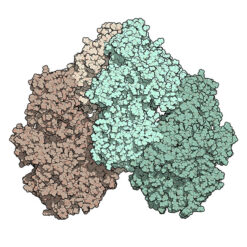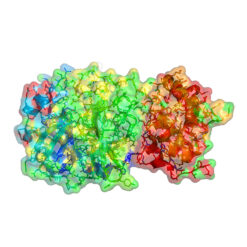



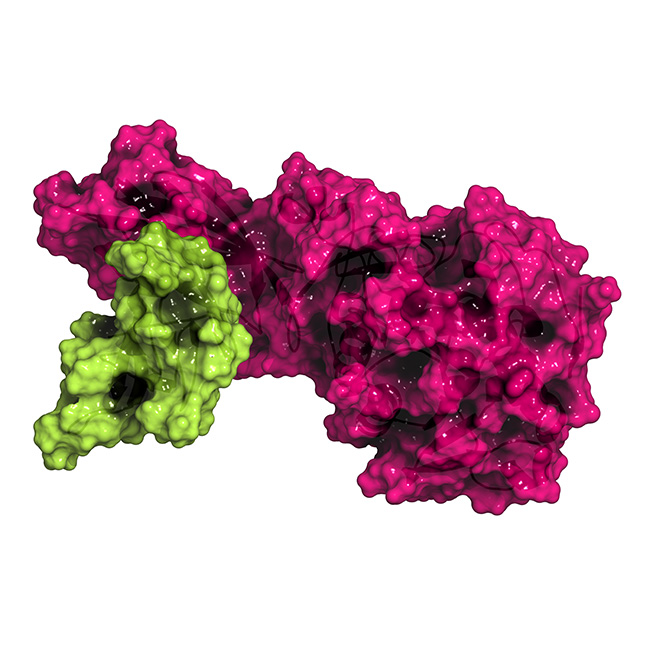
Origins:
- Fungi: Mucor meihei, Candida rugosa
- Bacteria: Achromobacter, Alcaligenes, Arthrobacter, Pseudomonas, Staphylococcus, Chromobacterium
Effect:
- Triglyceride Hydrolysis: Lipases convert triglycerides into free fatty acids and alcohols.
- Role in Metabolism: The enzyme’s activity includes lipolysis, proteolysis, and the metabolism of residual lactose and lactate. Additionally, lipases possess the unique ability to catalyze reactions at the interfacial boundary between water and lipids.
Applications:
- Cheese Flavoring: Lipases are responsible for creating the characteristic flavor of cheeses, resulting from the hydrolysis of milk fats.
- Fat Modification: They are used in the esterification process of fat fractions.
- Flavor Production: They participate in the production of specific flavors used in cheese analogues.
- Accelerated Cheese Ripening: Lipases are utilized in the production of medium and long-ripened cheeses, accelerating their maturation process.
Lipases are an indispensable component in the production of many food products, ensuring their unique taste and excellent consistency.
The product description is provided for reference purposes only. The parameters of the raw material may differ from those presented depending on the variety, intended use, method of production, season and other factors. For detailed information, please contact our sales representative.
The product description does not constitute an offer within the meaning of Article 66 § 1 of the Polish Civil Code.