






Recently updated on: November 24th, 2026
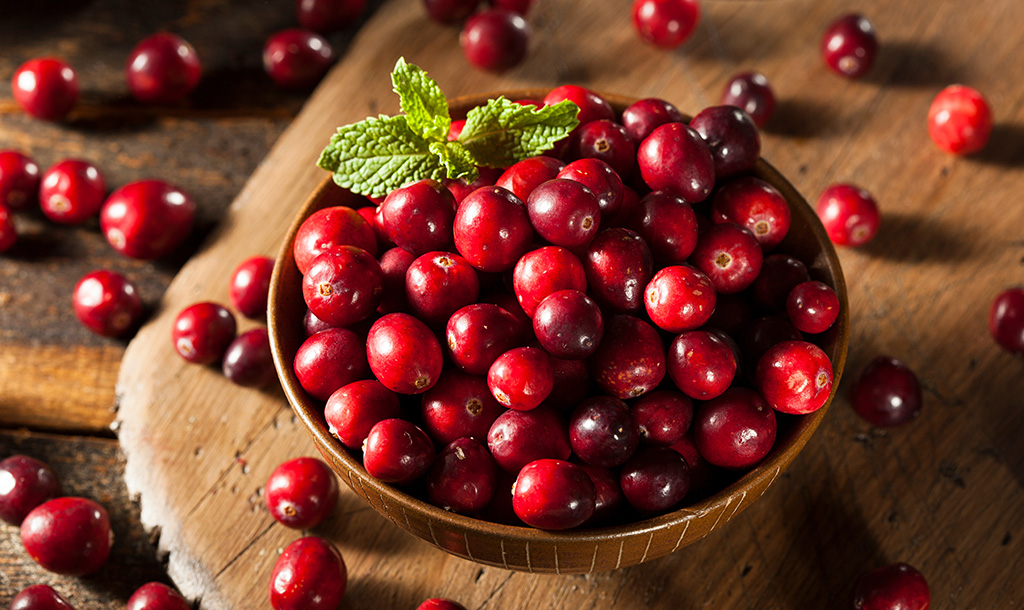
Cranberries, like other locally grown fruits such as raspberries, blackberries and strawberries, are rich in flavonoids and anthocyanins—compounds with strong antioxidant properties. Their antioxidant activity may help protect cells from oxidative stress by neutralising free radicals. A diet rich in antioxidant-containing foods may be associated with a lower risk of certain chronic diseases, although cranberries alone cannot prevent or treat these conditions.
What are the properties of cranberries?
Cranberries, like other locally grown fruits such as raspberries, blackberries and strawberries, are rich in flavonoids and anthocyanins—compounds with strong antioxidant properties. Antioxidants help protect cells from oxidative stress by neutralising free radicals. A diet rich in antioxidant-containing foods may be associated with a lower risk of chronic diseases, including insulin resistance, high blood pressure, atherosclerosis and cancer, although cranberries alone cannot prevent or treat these conditions.
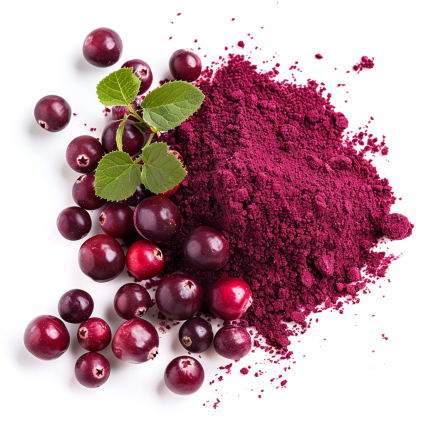
Cranberry extract 5% PAC
Cranberry extract 5% PAC is produced from the fruit of Vaccinium Macrocarpon L. Thanks to its health and care properties, it is used in many fields, from dietary supplements to pharmaceutical products to advanced cosmetics.
Cranberries also provide vitamins and minerals, including potassium, calcium and iron. In phytotherapy, they are best known for their potential antimicrobial properties. Cranberries contain proanthocyanidins, a type of flavan-3-ol. These compounds may make it harder for certain bacteria to adhere to the lining of the lower urinary tract, which may help reduce the risk of recurrent urinary tract infections, such as cystitis. Cranberry products should not be used to treat an active infection or replace antibiotics. Cranberry compounds are also being studied for their effects on bacteria in the digestive tract and oral cavity.
What can cranberries help with?
Cranberries contain antioxidant compounds and can be part of a varied, balanced diet. However, there is not enough evidence to say that eating cranberries prevents chronic diseases. Studies on their effects on cholesterol have produced mixed results, so cranberries should not be described as lowering LDL cholesterol, preventing atherosclerosis or promoting weight loss.
Cranberry products may help reduce the risk of recurrent urinary tract infections in some people. However, they do not treat an active infection and should not be considered a substitute for antibiotics or medical advice. Evidence that cranberry products help prevent UTIs is mixed, and their effectiveness may depend on the product.
Cranberries have also been studied for their potential effects on Helicobacter pylori, the bacteria associated with some stomach ulcers, as well as on tooth decay and rheumatoid arthritis. The available evidence is not strong enough to recommend cranberries as a treatment for any of these conditions.
Cranberries in cosmetics
Cranberry extract and concentrated cranberry juice are also used in cosmetics. Cranberries contain polyphenols and other compounds with antioxidant properties, so cranberry-derived ingredients may help condition the skin, depending on the product’s formulation. They are used in products designed for different skin types, including mature, dry and blemish-prone skin.
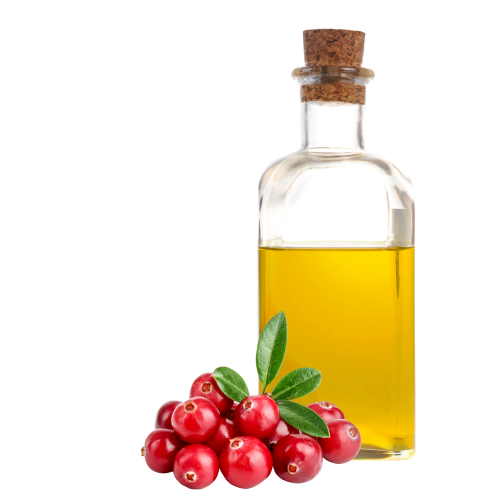
Cranberry Seed Oil
Cranberry seed oil is a natural vegetable oil extracted from the seeds of the cranberry fruit(Vaccinium macrocarpon). The oil is rich in fatty acids such as linoleic, oleic and palmitic acids, making it an excellent emollient and moisturizer for the skin.
Cranberries during pregnancy
Urinary tract infections are common in women, and pregnancy can affect how they are assessed and treated. Cranberries consumed as food are different from concentrated supplements: evidence about the safety of larger amounts or cranberry supplements during pregnancy is limited. Ask your doctor or midwife before using cranberry supplements.
Cranberry products should not replace medical advice or treatment for a UTI during pregnancy. If you have symptoms of an infection or another health concern, contact a healthcare professional.
Cranberries and children
Can children eat cranberries? Cranberries can be introduced in an age-appropriate form. Large amounts may cause stomach upset, particularly in young children. If a child likes the taste, cranberries can be served as part of a varied diet. Cranberries should not be relied on to treat colds or strengthen immunity. Before giving a child cranberry supplements, check the product’s age restrictions and ask a healthcare professional for advice.
How much cranberry should you consume to help prevent cystitis?
There is no universally established daily amount of cranberry for cystitis prevention. Cranberry products vary in form and proanthocyanidin (PAC) content, so amounts of fresh, dried or juiced cranberries are not directly interchangeable. Cranberry products may help reduce the risk of recurrent UTIs in some people, but they do not treat an active infection.
You can enjoy cranberry juice or add cranberries to meals, depending on your preference. They pair well with meat and other savoury dishes, as well as with porridge and baked goods. You can also add them to salads and smoothies with fruits such as bananas, citrus fruits and apples. Fresh cranberries contain about 46 kcal per 100 g. Dried cranberries are more calorie-dense, and some varieties contain more than 300 kcal per 100 g, so check the nutrition label.
Contraindications
Supplements containing cranberry extract are relatively safe and their use does not carry many side effects. If you take warfarin, ask your doctor or pharmacist before using cranberry products, as evidence about a possible interaction is conflicting. People with a history of kidney stones should ask a healthcare professional before using concentrated cranberry supplements.
Literature:
- Baranowska M, Bartoszek A. Antyoksydacyjne i przeciwdrobnoustrojowe właściwości bioaktywnych fitozwiązków żurawiny. Postępy Higieny i Medycyny Doświadczalnej 2016; 70: 1460-1468.
- Doroszko M, Janda K and Jakubczyk K. Właściwości prozdrowotne wybranych owoców krajowych. KOSMOS Problemy Nauk Biologicznych 2018; 67(2): 415-423.
- Gryszczyńska A. Żurawina amerykańska (Vaccinium macrocarpon) – lek na problemy urologiczne. Urologia 2010; 63: 31-40.

Cranberries are not only tasty but also offer a range of impressive health benefits. These small, tart berries are packed with essential nutrients and antioxidants, making them a powerful addition to your diet.
One of the most well-known benefits of cranberries is their ability to support urinary tract health. They contain compounds called proanthocyanidins that help prevent bacteria from adhering to the urinary tract walls, reducing the risk of infections.
Cranberries are also rich in antioxidants, particularly vitamin C, which helps protect your cells from oxidative damage, supports immune function, and promotes healthy skin. The high antioxidant content also helps reduce inflammation and lowers the risk of chronic diseases such as heart disease and cancer.
i have a very busy lifestyle too, and i would always frequently eat on Fastfoods“